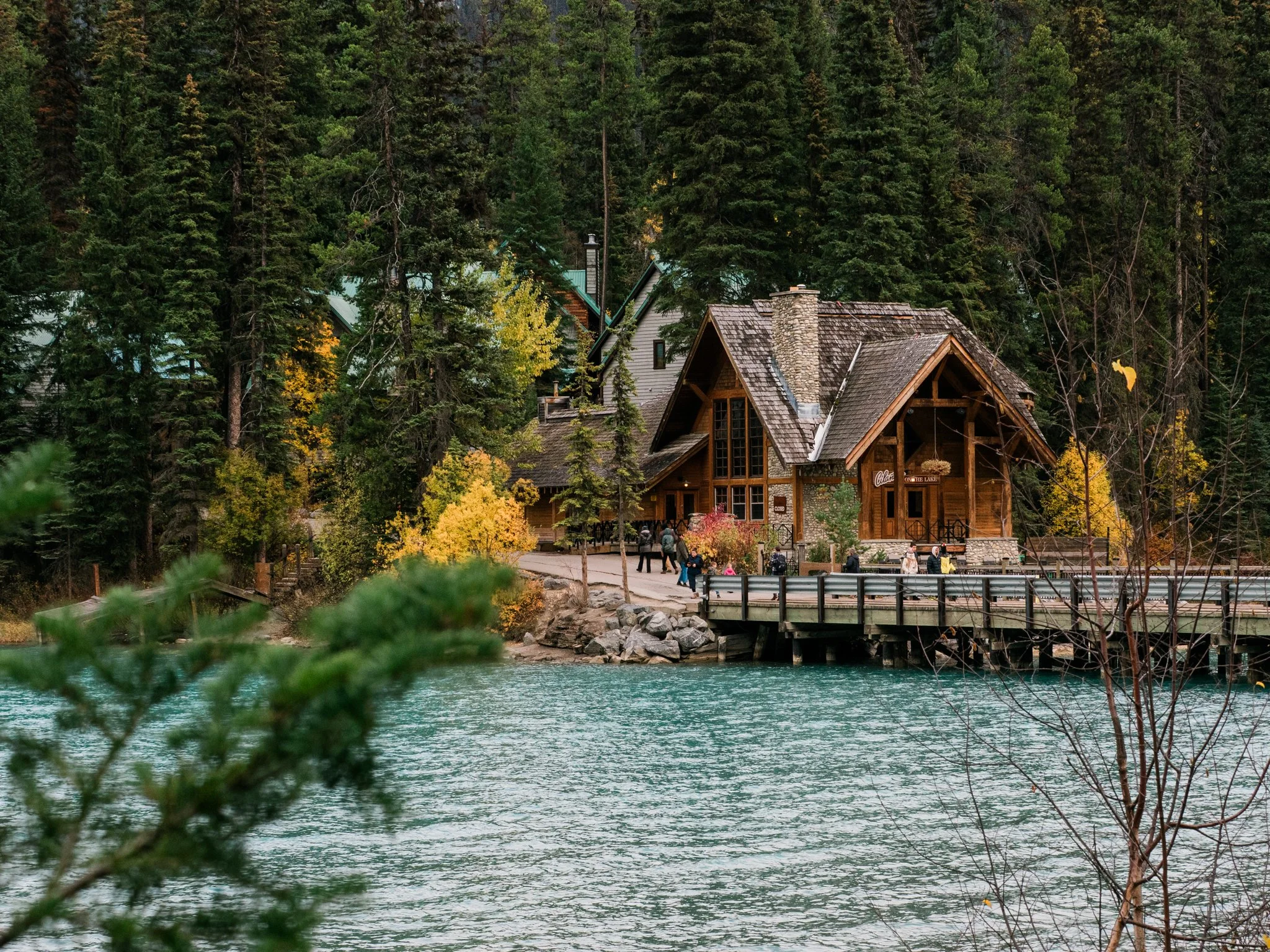
Banff & Lake Louise Dining Guide
Where to eat and drink in Banff and Lake Louise, from steakhouses and fondue to the best breakfast lines worth standing in.
Banff and Lake Louise pack an absurd amount of good eating into a small mountain footprint, which is both a gift and a logistics problem when you're only in town for a few days. The short version: reservations are recommended if anything is really calling to you, and the range runs from fondue at a Swiss-style institution to Korean fried chicken to a steakhouse inside a century-old castle hotel.
Banff Dining - My Top Picks
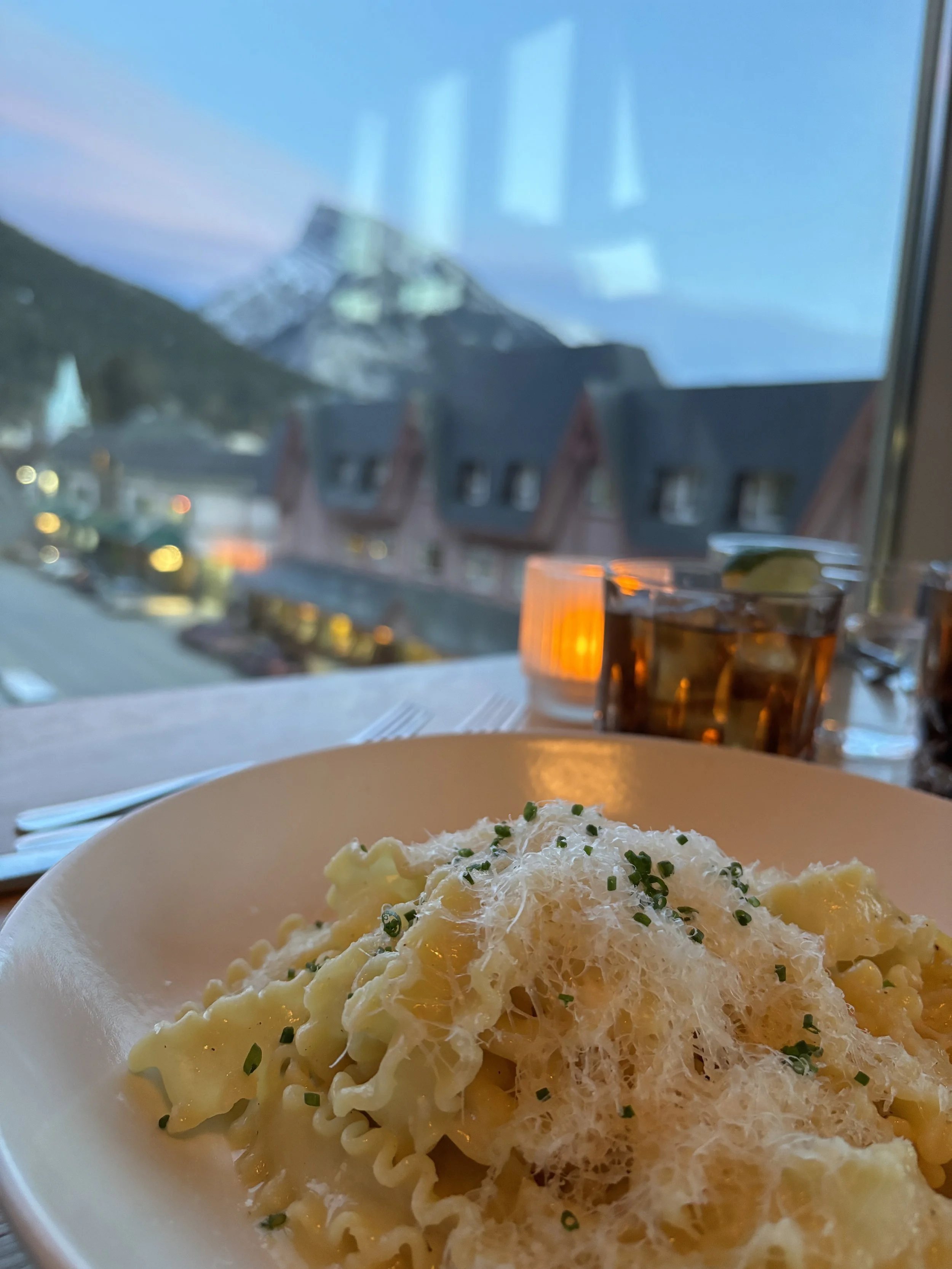
Lupo - the view is as good as the food!
Lupo: Italian spot with some of the best food I've ever had! Highly recommend the Malfaldine and the Spicy Vodka Rigatoni.
Park Distillery & Brewpub: Park has great ribs, delicious wings, and a good steak frites - but the service, drinks, and happy hour really stand out.
Bluebird Steakhouse: My favorite steakhouse in Banff! They've got cheesy fried donuts on the menu right now, and they are absolute perfection.
Eddie Burger: This spot is small, but it's the place to go for the best burgers in Banff. Reservations highly recommended, just because of the limited space.
Rundle Bar: Awesome spot at the Fairmont Banff Springs for fancy cocktails and bar bites. The skillet cookie is so good!
BeaverTails: You'll have more of these than you think - they're a Canadian dessert pastry that's basically fried dough with toppings. There are a few locations in town as well as one slopeside at Banff Sunshine.
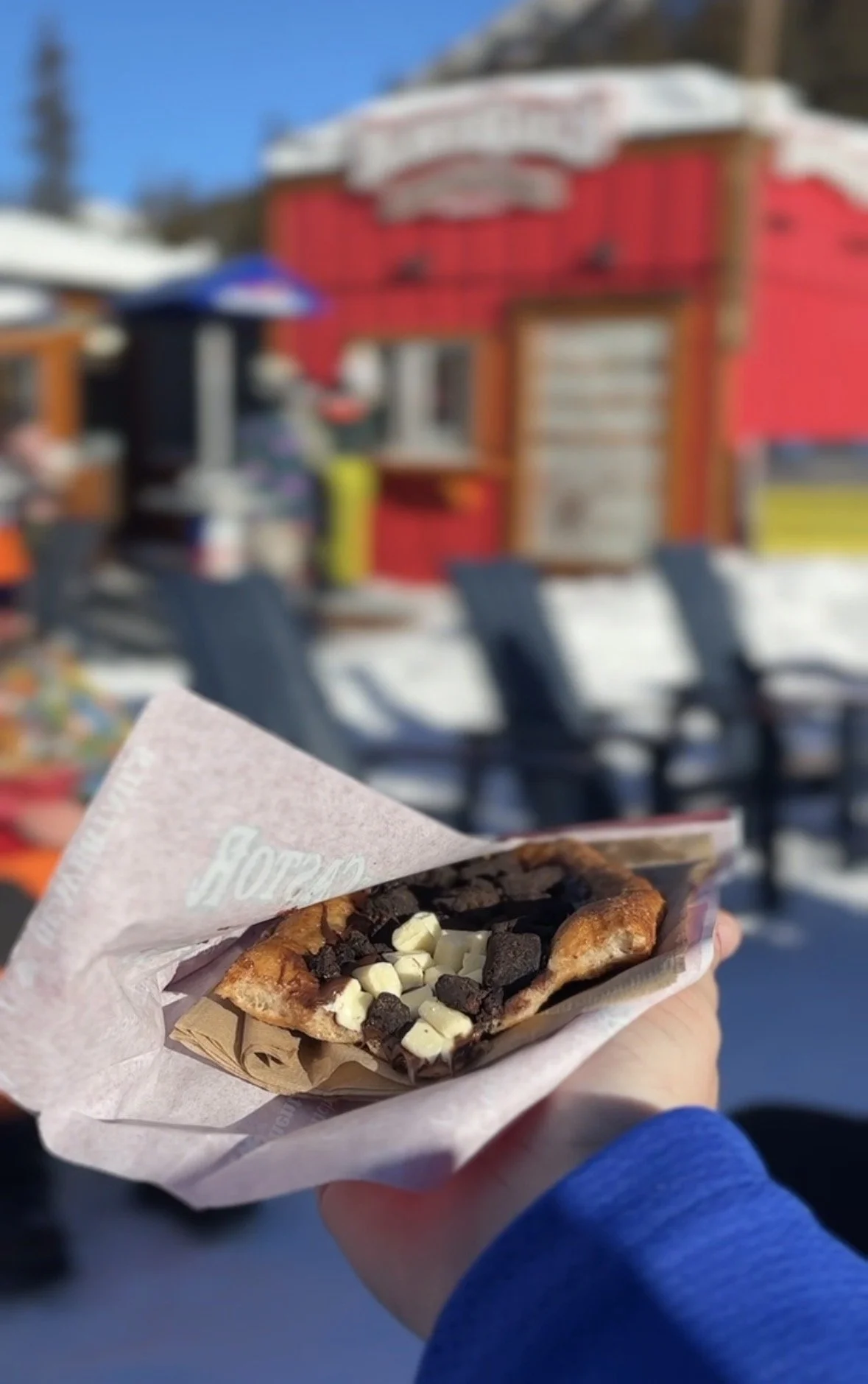
BeaverTails slopeside at Banff Sunshine! My reward for making it down Goat Chicken Gully.
Breakfast & Brunch in Banff
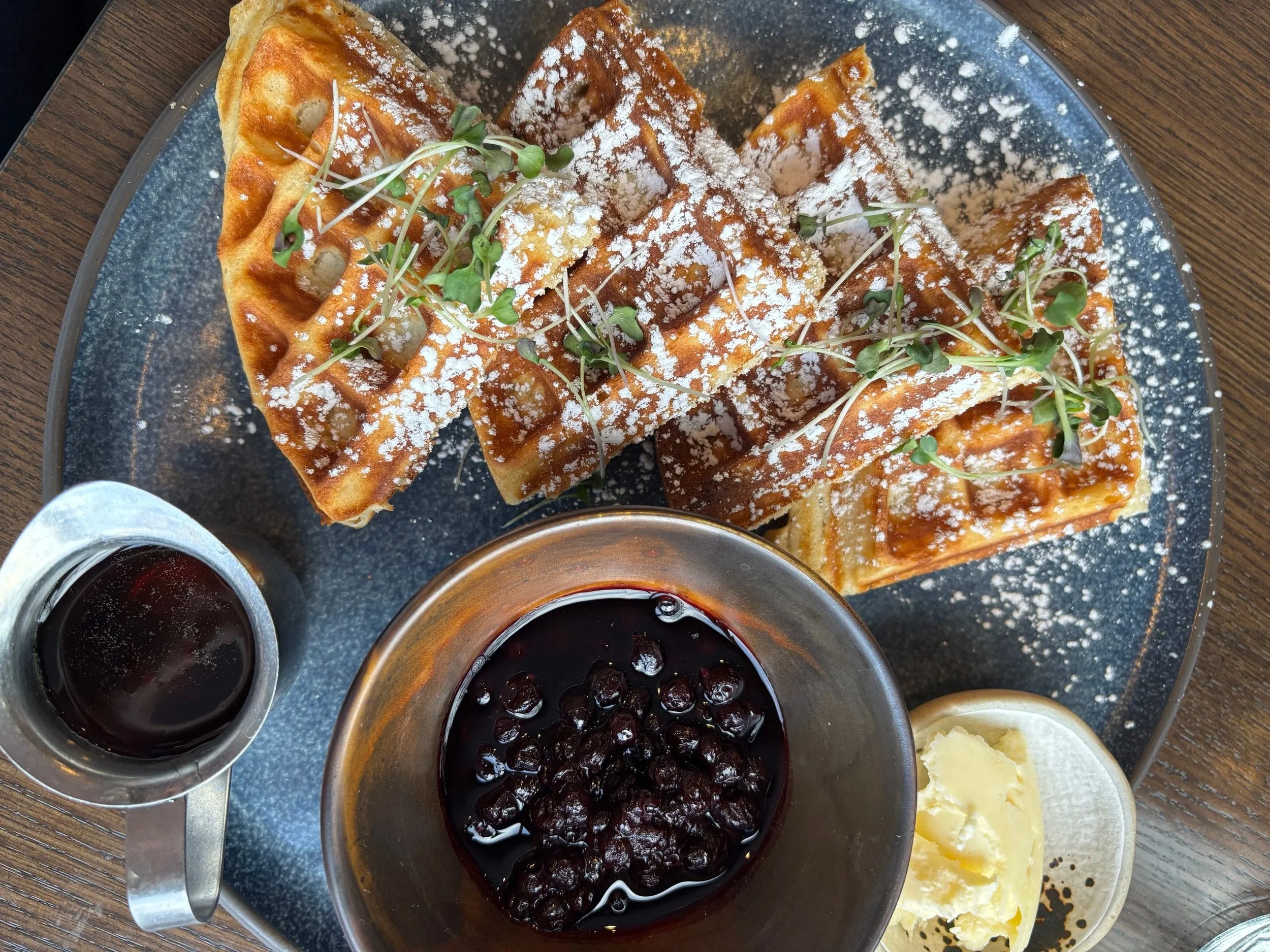
Breakfast at Juniper Bistro
Wild Flour Artisan Bakery: Cozy bakery café known for excellent sourdough, pastries, and coffee, good for grab-and-go.
Evelyn’s Coffee Bar: Bright, modern café serving quality espresso, breakfast sandwiches, and baked goods.
Tooloulou’s: New Orleans–style breakfast institution famous for hearty portions and Cajun flavors. The wait is worth it.
Coyote's: Southwestern breakfast - hearty and delicious.
Sudden Sally: Retro diner feel serving classic brunch plates, milkshakes, and comfort food.
Juniper Bistro: Scenic brunch spot overlooking the Bow Valley, offering refined Canadian cuisine with mountain views. Limited menu, but the view is amazing.
Dinner in Banff
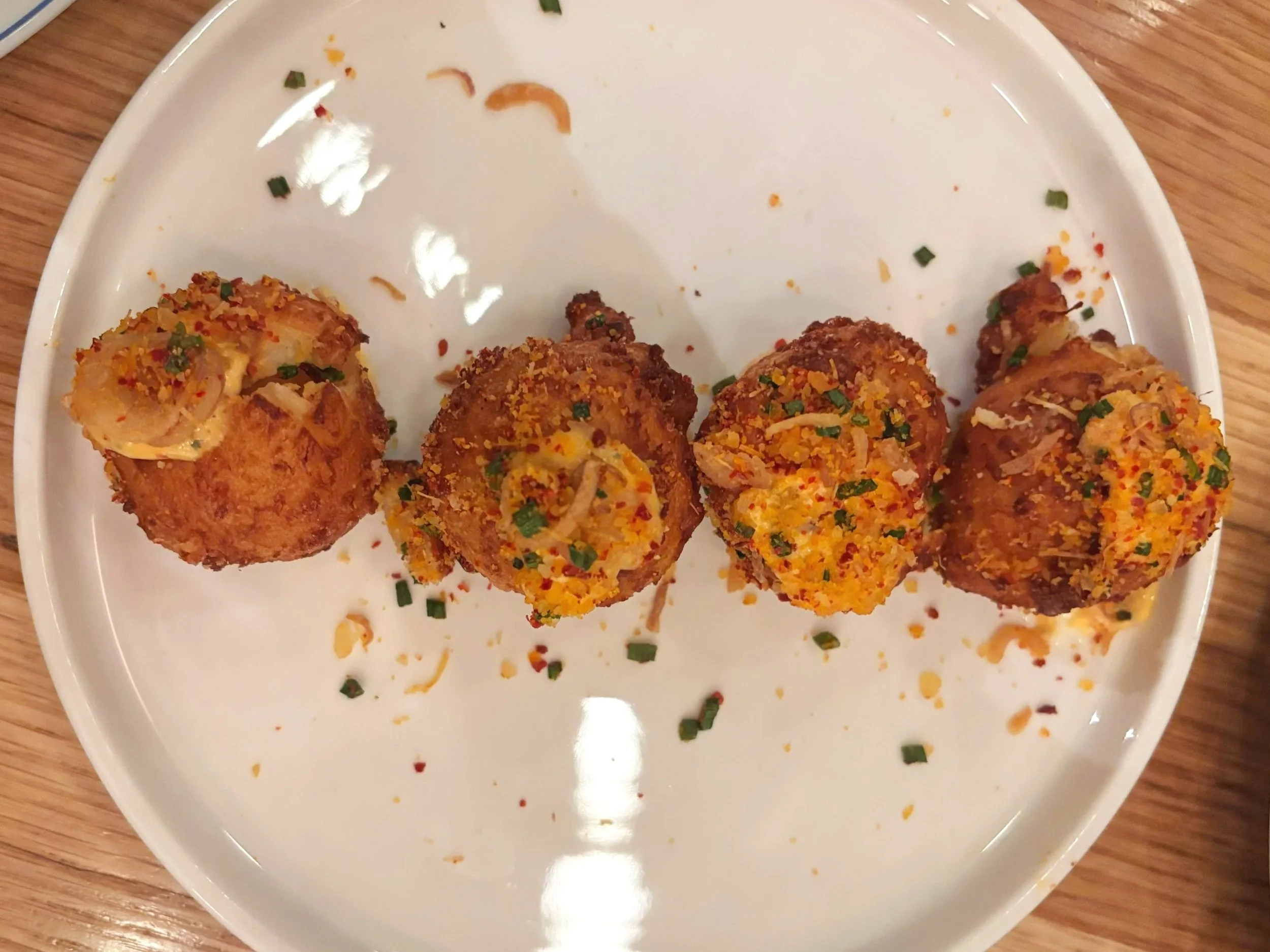
Bluebird Steakhouse - Cheesy Doughnuts Appetizer
1888 Chop House: Upscale steakhouse inside the Fairmont Banff Springs featuring prime cuts and an elegant setting.
Bluebird Woodfired Steakhouse: Modern mountain steakhouse with wood-fired cooking and a polished alpine vibe.
Chuck’s Steakhouse: Casual, lively steakhouse known for approachable prices and classic cuts.
Añejo Restaurant: Mexican spot serving tacos and tequila flights. At first the menu seems small, but you’re here for a taco flight, and they have plenty of options.
Grizzly House: Swiss-style fondue that's a Banff staple - very fun spot to enjoy a traditional ski trip meal.
Lupo Italian Ristorante: Handmade pastas, Italian comfort food, and a warm, cozy dining room.
Magpie & Stump: Fun, colorful Mexican restaurant with massive margaritas and laid-back energy.
Masala Authentic Indian Cuisine: Flavor-packed Indian dishes with plenty of vegetarian options.
Hello Sunshine: Trendy Japanese-inspired restaurant serving sushi, ramen, and playful cocktails.
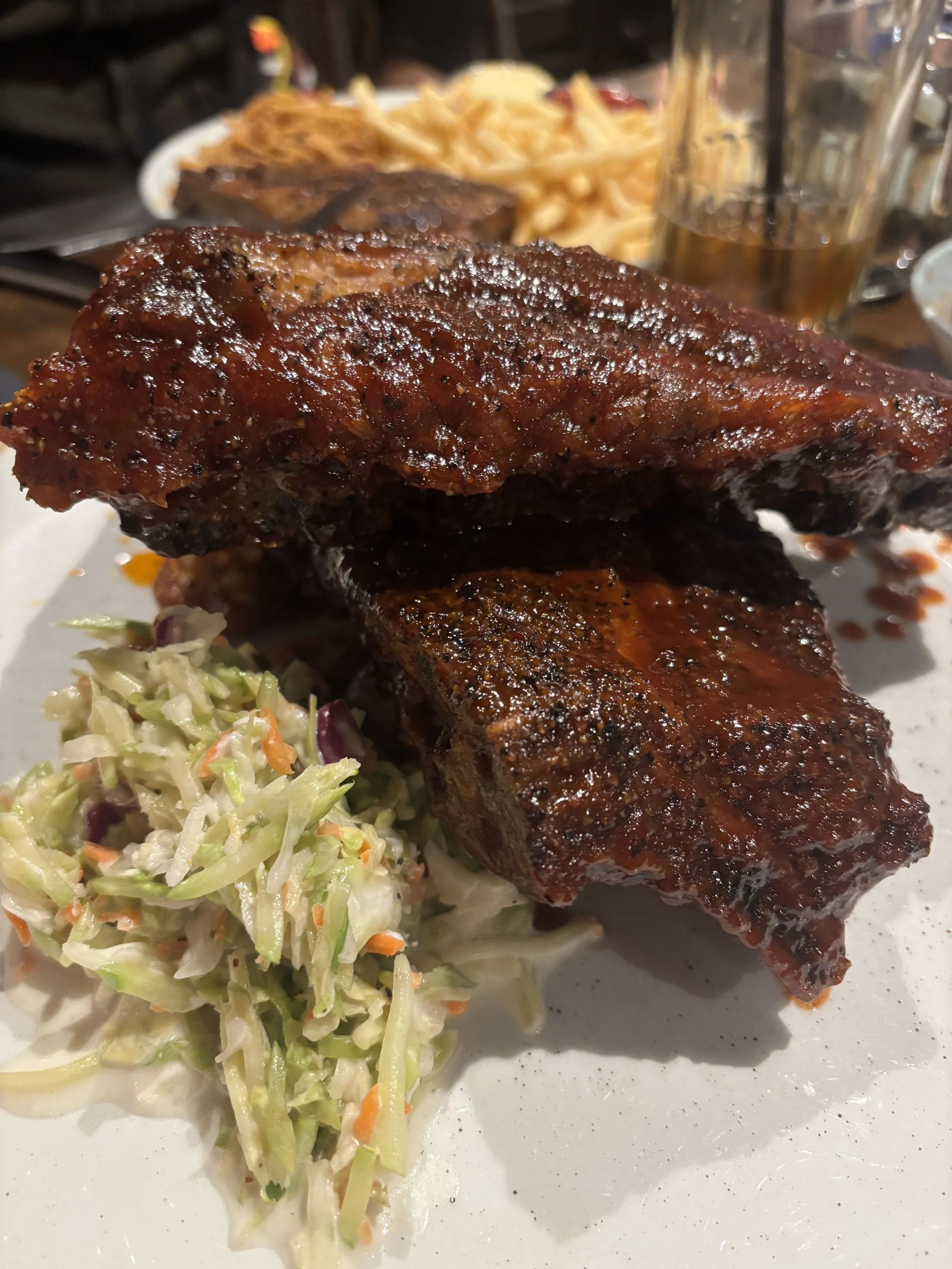
Park Distillery Restaurant + Bar
Park Distillery Restaurant + Bar: Canadian comfort food paired with house-distilled spirits and a rustic-chic interior.
Elk & Oarsman: Contemporary Canadian pub serving elevated comfort food and craft beer.
Banff Poutine: Casual late-night favorite specializing in loaded poutines and quick bites.
Eddie Burger + Bar: Gourmet burgers, boozy shakes, and casual fun.
High Rollers: Bowling alley meets pizzeria with arcade games, cocktails, and shareable plates.
Melissa’s MisSteak: Banff classic serving steaks, ribs, and pub favorites in a lively setting.
Coyote’s Southwestern Grill: Southwestern-inspired menu with bold flavors and margaritas.
Hankki: Korean-inspired street food with craveable fried chicken and comfort dishes.
Best Cocktail Bars & Nightlife
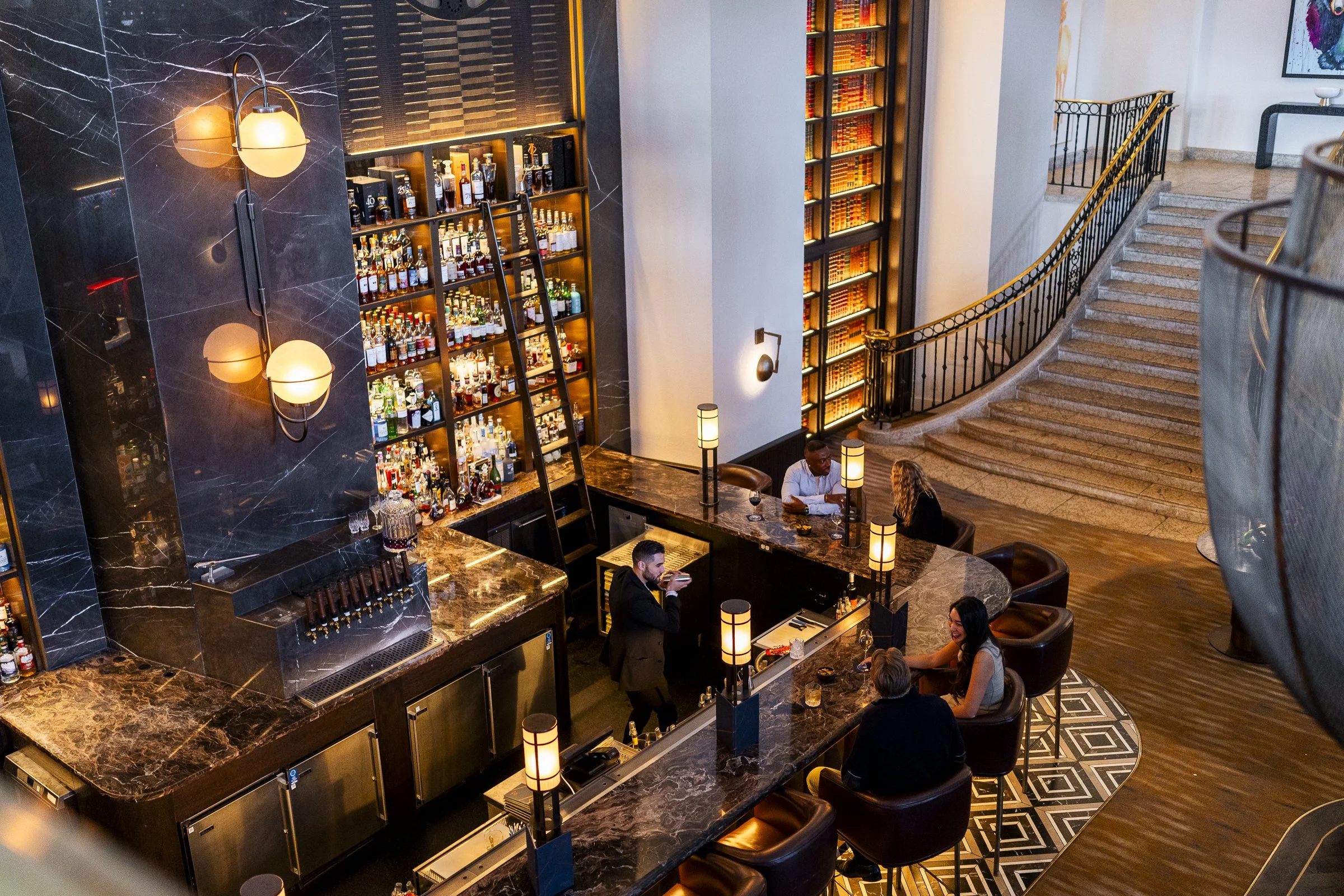
Rundle Bar - Image courtesy of Fairmont Banff Springs
Banff Ave Brewing Co.: Banff’s original craft brewery with small-batch beers and pub fare.
Banff Social: High-energy cocktail bar with DJs, late-night crowds, and a party atmosphere.
Rundle Bar: Iconic Fairmont Banff Springs bar known for classic cocktails and dramatic mountain views.
Canadian Brewhouse: Large sports bar with tons of TVs, beer, and casual eats.
Park Distillery Bar: Craft cocktails made with house-distilled spirits in a cozy, rustic space.
Lake Louise Dining Guide
Most of these spots are right in the Chateau Lake Louise, but there are a few other places in this area worth leaving the resort for, so take note!
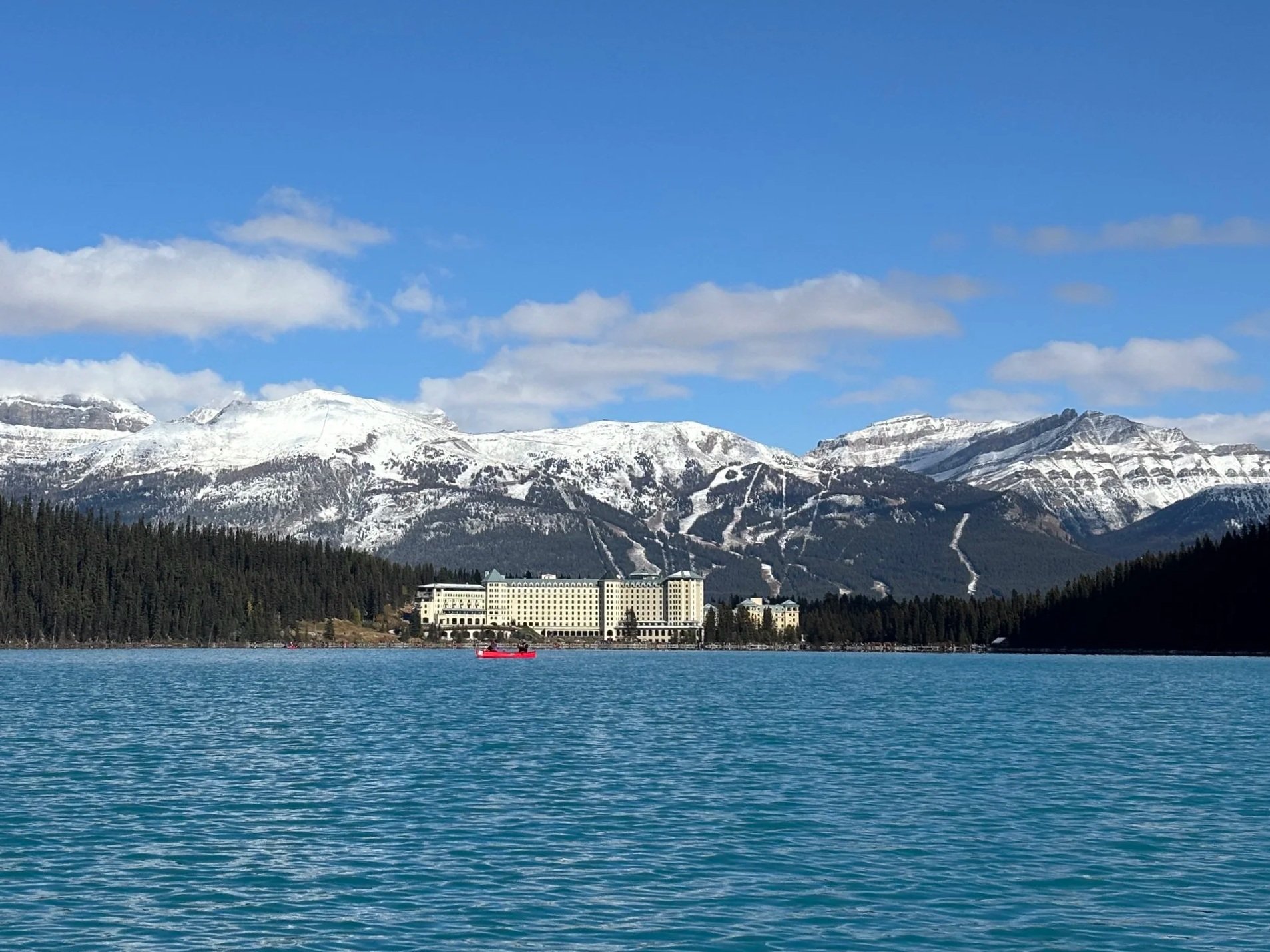
Chateau Lake Louise
Breakfast & Brunch
Louiza: Lake Louise’s newest dining experience featuring an elegant space and a seasonal menu highlighting local ingredients that evolve with the mountain seasons.
The Guide’s Pantry: Casual grab-and-go café inspired by the hotel’s mountaineering heritage, offering fresh salads, sandwiches, baked goods, and desserts.
Lake Louise Inn: If you’re looking for a no-frills Continential breakfast, Legends Restaurant at the Lake Louise Inn is always a nice surprise. They offer a buffet or an a la carte menu packed with fresh, house-baked options.
Afternoon Tea: A classic Fairmont tradition served with spectacular views of Lake Louise and Victoria Glacier, featuring fine teas, pastries, and elegant savories.
Dinner
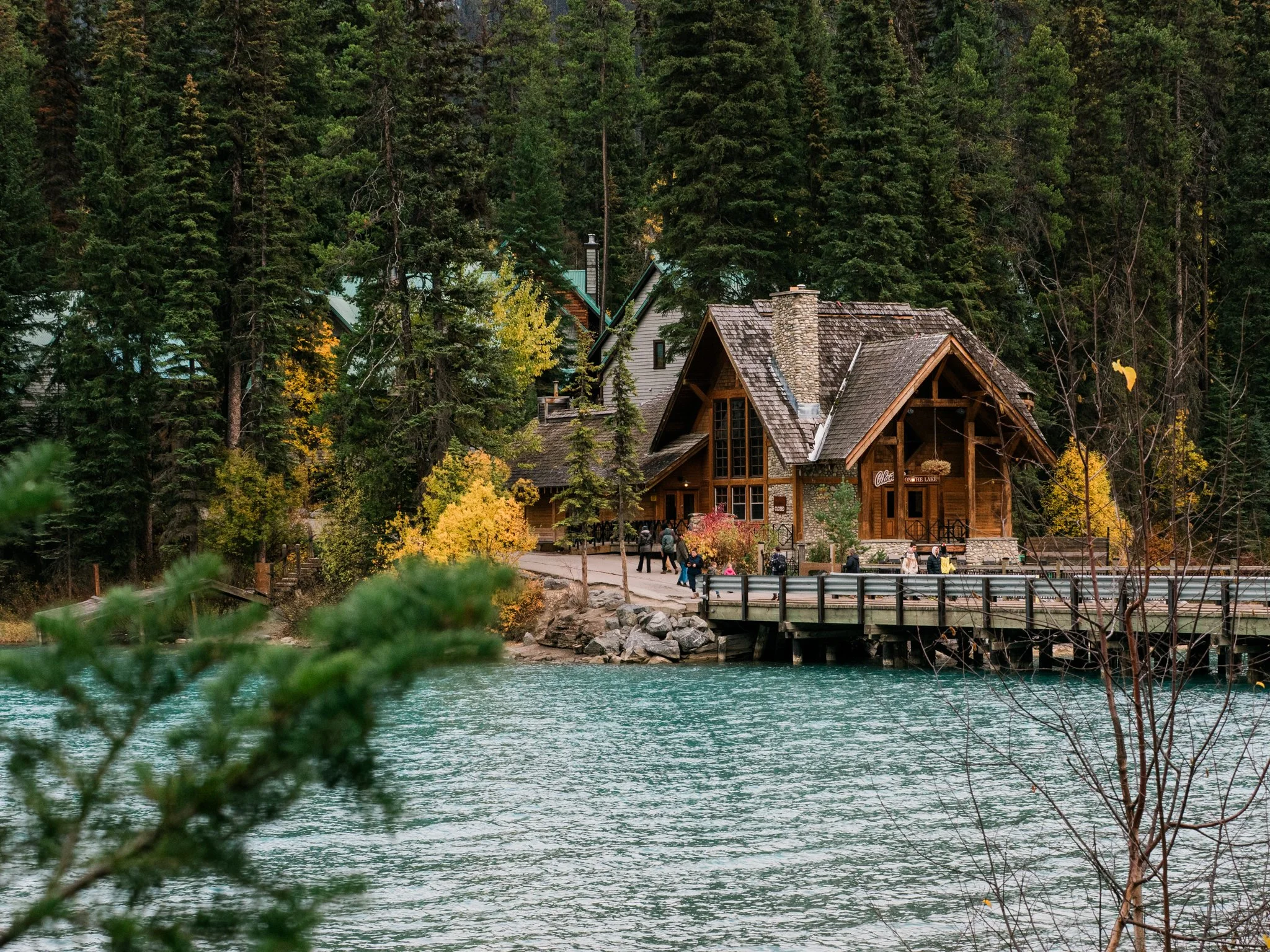
Cilantro on the Lake at Emerald Lake Lodge
Fairview Bar & Restaurant: Elegant dining showcasing a local produce and thoughtfully crafted dishes, paired with award-winning beverages in a glamorous space with an incredible view.
Walliser Stube: Intimate European restaurant and wine bar specializing in Swiss, German, and Alpine cuisine, including fondue and regional specialties.
Mount Burgess Dining Room at Emerald Lake Lodge: This is one of my favorite restaurants in Alberta - reservations recommended. The stunning backdrop of Emerald Lake is as much of a treat as their seasonal Canadian menu.
Cilantro on the Lake (Summers only): The views alone are worth a visit. Outdoor patio vibes here - handhelds, flatbreads, and fun cocktails.
Drinks & Lounges
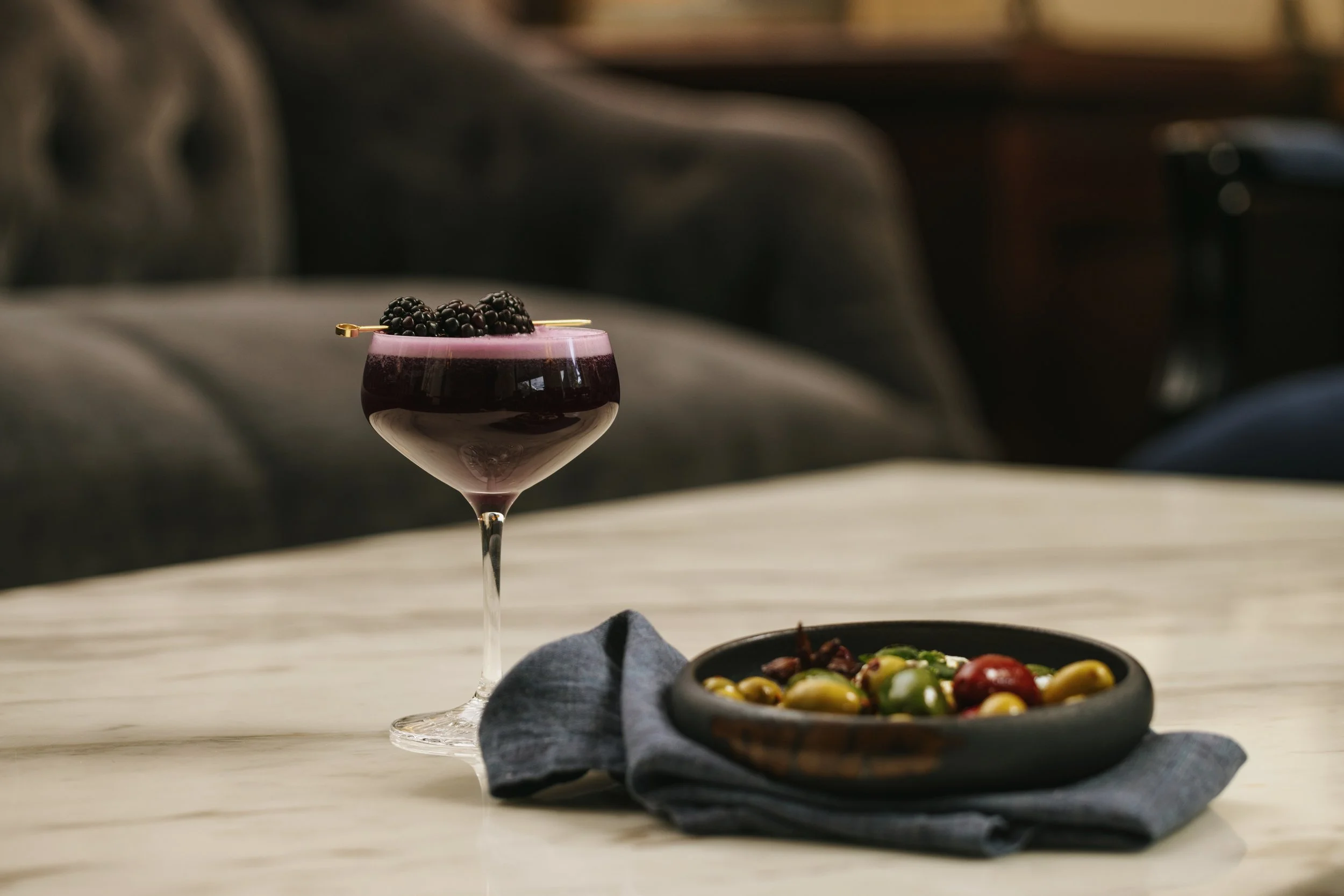
Lakeview Lounge - Image courtesy of Fairmont Chateau Lake Louise
Lakeview Lounge: The perfect spot to relax with craft cocktails and locally inspired cuisine while taking in breathtaking views of Lake Louise and Victoria Glacier. In the summer, its iconic lakeside patio offers one of the most scenic dining experiences in the Canadian Rockies.
Alpine Social: Inspired by the golden age of Canadian mountaineering, this lively space is perfect for après-adventure comfort food, cocktails, and social energy.
Ice Bar: A truly unique experience constructed from hundreds of hand-carved ice blocks, where guests sip warming cocktails surrounded by a frozen alpine landscape (seasonal).
4 Stunning Places Perfect For A Digital Detox
Québec City, Yellowstone, Kananaskis, and the Catskills each make for ideal digital detox destinations. Learn what these stunning places are hiding and why you should choose one for your next trip if you need to feel like you’re actually taking time offline.
I’ve been a freelance writer from the time I graduated college. By 2016, I had started writing for a travel publication, and was taking on as much work as I could because I truly loved it. I was writing, editing, sourcing photos, working on social media, and writing some more - in my six years with this publication, I penned almost 5,000 pieces - including 1,620 articles about Delaware, 989 about Wyoming, and 985 about Iowa. I can talk blue crabs, Chugwater Chili, and breaded pork tenderloins til I turn blue in the face.
Sorry - back to my point here. I was writing most of the time, and researching the rest of the time. In 2019, I attended a conference in Nashville with a handful of other writers, and we spent one day out exploring the city. We realized that night that it had been the first full day we had not opened up our laptops in nearly three years. Since then, I’ve made it a point to schedule at least one “unplugged” trip ever year, and here are my favorite places for a true digital detox.
Québec City, Québec
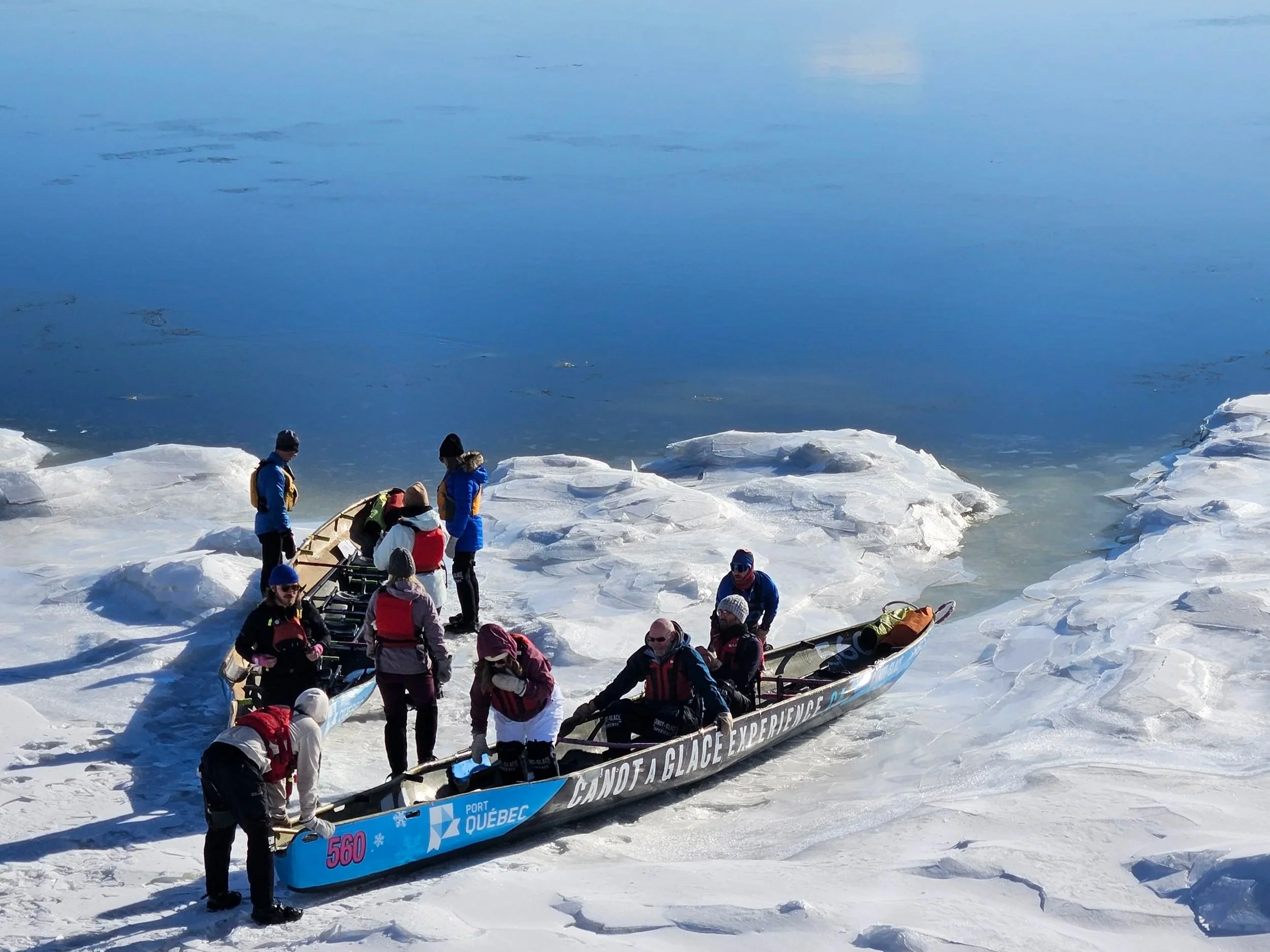
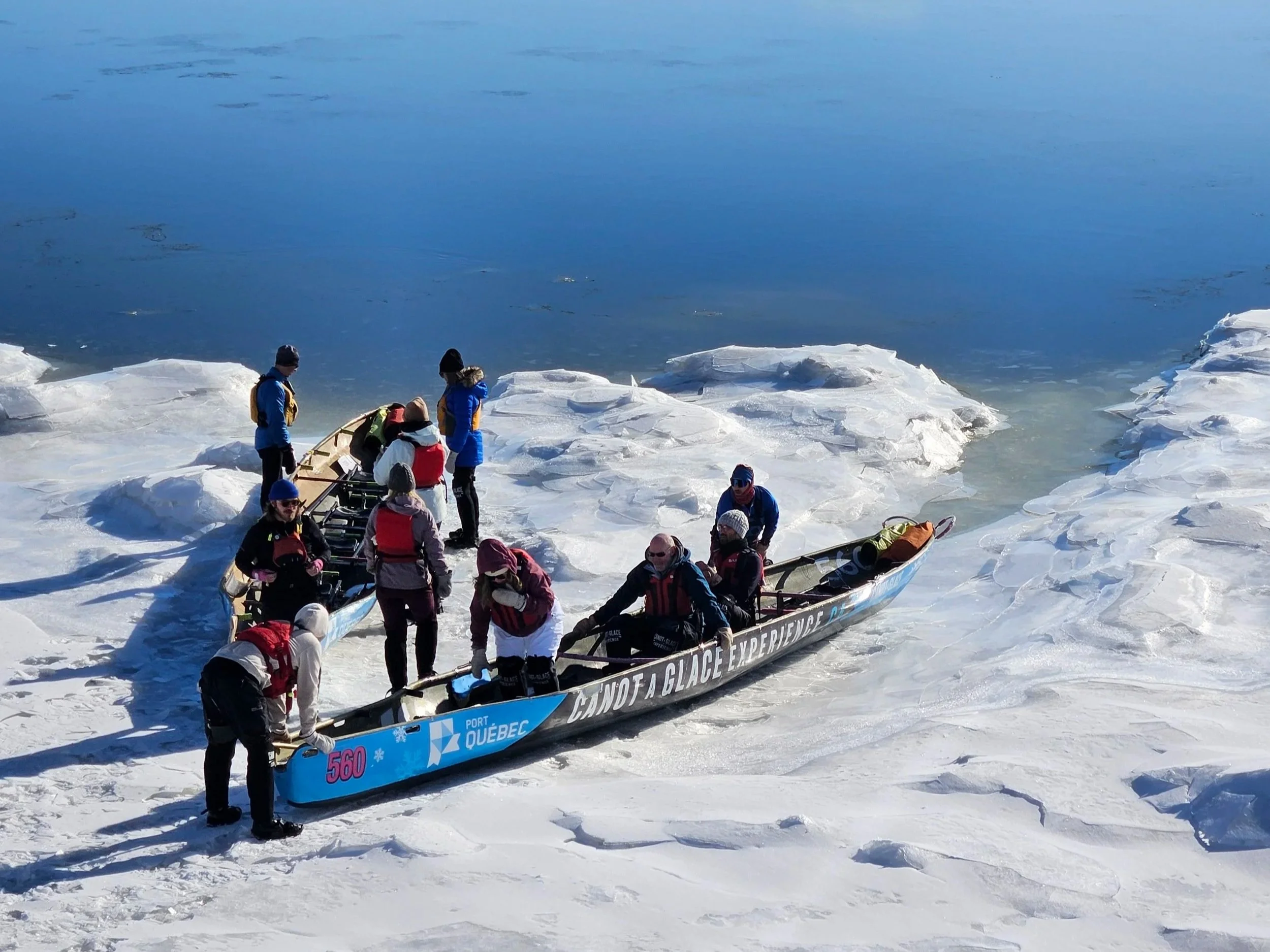
Walking the cobblestoned streets of Old Québec, it's easy to lose track of not just your phone, but the entire century. The UNESCO-designated old town is the epitome of a slow travel destination - and you’ll be so mesmerized wandering through the alleys and twists and turns that you won’t have time to worry about your inbox. If you’re hardcore, visit in winter - you won’t want to take your gloves off to scroll through texts the whole time you’re outside. On a serious note, though, winter is actually my favorite time to visit. Unlike a lot of destinations, Quebec really embraces the season, and nobody is trying to hide away until spring. Other activities you can enjoy where you definitely won’t want to take your phone out: Canot a Glace (ice canoeing) on the St. Lawrence River, progressing from Green to Double Black Diamond sledding slopes at Hotel Valcartier, and dancing with Bonhomme at the Winter Carnival.
Yellowstone National Park, Wyoming
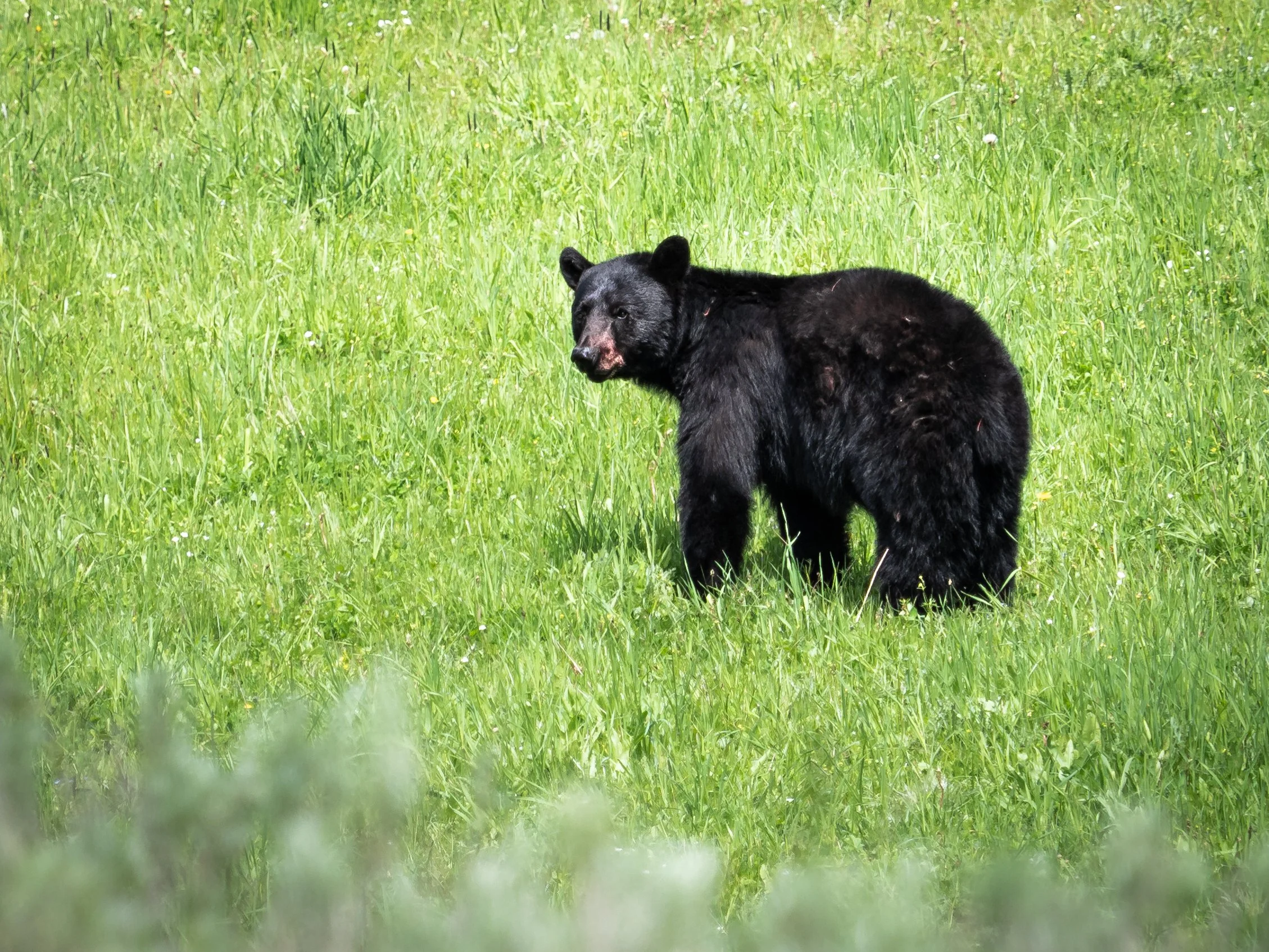
Yellowstone is where I go when I need to step away from the screen, but I’m feeling weak to my doomscrolling addictions. It’s nice, because the park doesn’t really wait around for you to put the phone down.. there’s just simply not a great cell phone signal throughout most of the park. Easy to ignore notifications when you don’t get them. Even if there was a strong 5G signal throughout the park, there’s something truly mesmerizing about the big skies, the thermal features, and the wildlife that makes you put the phone down and take a deep breath*.
Yellowstone, on its own, feels more disconnected than the Tetons just due to simple geography. In the Tetons, you’re never far from Jackson, where you can find all the busy restaurants and shops that bring you back to the real world. Spending a full day in Yellowstone means that at any given point, you’re probably hours from anything that resembles a town. It’s kind of refreshing, especially if you go during shoulder season, or in the winter.
*Don’t take a deep breath if you’re at the Mud Volcano.
Kananaskis Country, Alberta
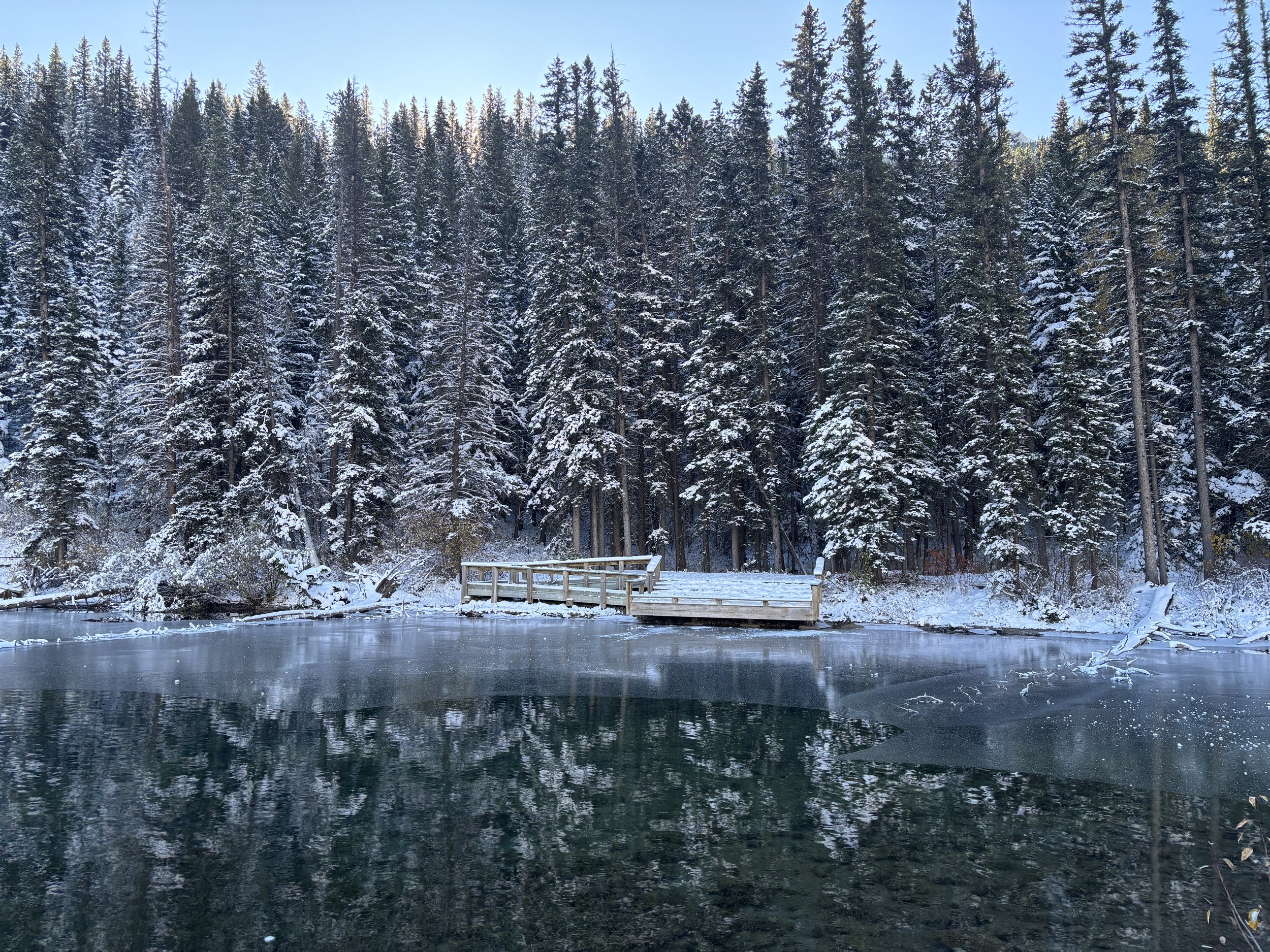
Less visited than Banff and entirely non-commercialized by comparison, Kananaskis offers a rustic, grounding mountain experience. The landscapes are spectacular. You're here to hike, ride, or simply exist in one of the most beautiful mountain environments in North America - forget the gondolas taking you up peaks or tour busses stopping and waiting for you to go take a photo. In winter, the Nordic skiing and snowshoeing trails feel like your own private world. This is where Canadians go when they want to escape the crowds at the more famous parks, and they're right to keep it close.
The Catskills, New York
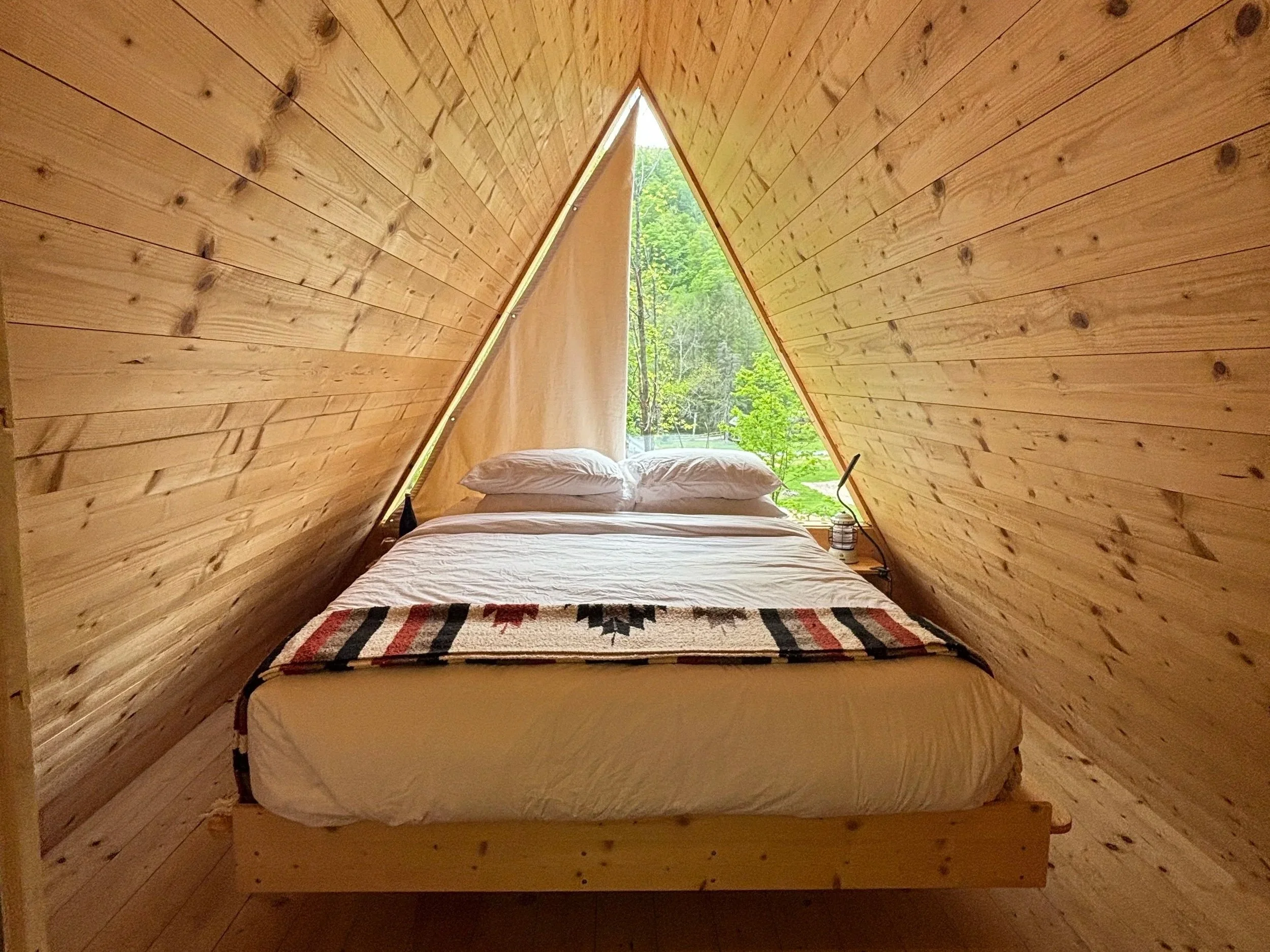
You don't need to go far to go somewhere that feels genuinely far away. The Catskills sit close enough to New York City to be easily accessible for millions of people and far enough in spirit to feel like a full departure. Dense forests, quiet hollows, farm-to-table restaurants dot the landscape up here, and there are plenty of beautiful waterfalls to discover on hikes both long and short. The region has seen a creative revival in recent years, with many people fleeing the city to find their own way of life in the mountains, and that means there’s a lot of new things to discover.
I love the stories I find on my trips to the Catskills. My favorite place to stay is a former motor inn turned Scandinavian-style retreat, and the owner’s wife has decorated each cottage and room in a unique way. When I was there last, chatting over a farm-to-table dinner with some ingredients foraged right on property, the owner was laughing about all of the road trips he goes on to pick up the latest Marketplace furniture finds.
It’s those details - one room has wallpaper ordered from a boutique maker in England, the other has a vintage low table from an attic in Maryland - that makes Eastwind a world away from any standard “hotel” room.
Beyond the lodging, though, the waterfall hiking and back roads make cell phone service unimportant. Set your out of office message and take the time to get truly out of the office.

5 National Park Destinations You Can Still Book for Fall 2026
Fall is the most underrated time to visit the national parks. Fewer crowds, peak wildlife activity, and lodging that's actually available. Here's where to go this September through November, and how to make it happen.
I have spent the last few months working hard on summer national park trips, and it’s true, the summer crowds have mostly claimed July and August by now. There’s definitely last-minute availability for summer, but if you have the flexibility to change your travel dates around a little, there are still incredible experiences bookable for this September, October, and November.
So many people don’t realize that fall might actually be the best time to visit some of the most iconic places. The parks are quieter, and the wildlife is more active. The weather is beautiful, and you can enjoy world-class lodging at shoulder-season pricing.
My Favorite Fall National Park Trips
Travelers and clients often ask me about the best time to visit National Parks. That totally depends on destination and your travel style, but the below National Parks are my favorites to visit in the Fall for a lot of reasons. Take a peek below and see if any of these are calling your name for the upcoming season.
Arizona — October & November

The Grand Canyon and Sonoran Desert transform once the brutal summer heat breaks. Five-star desert resorts drop to off-season rates. Cool nights make hiking actually enjoyable. And as someone who is terrified of snakes, I really prefer the cooler times of year when the javelinas are out but the snakes are not.
Grand Teton — September & October
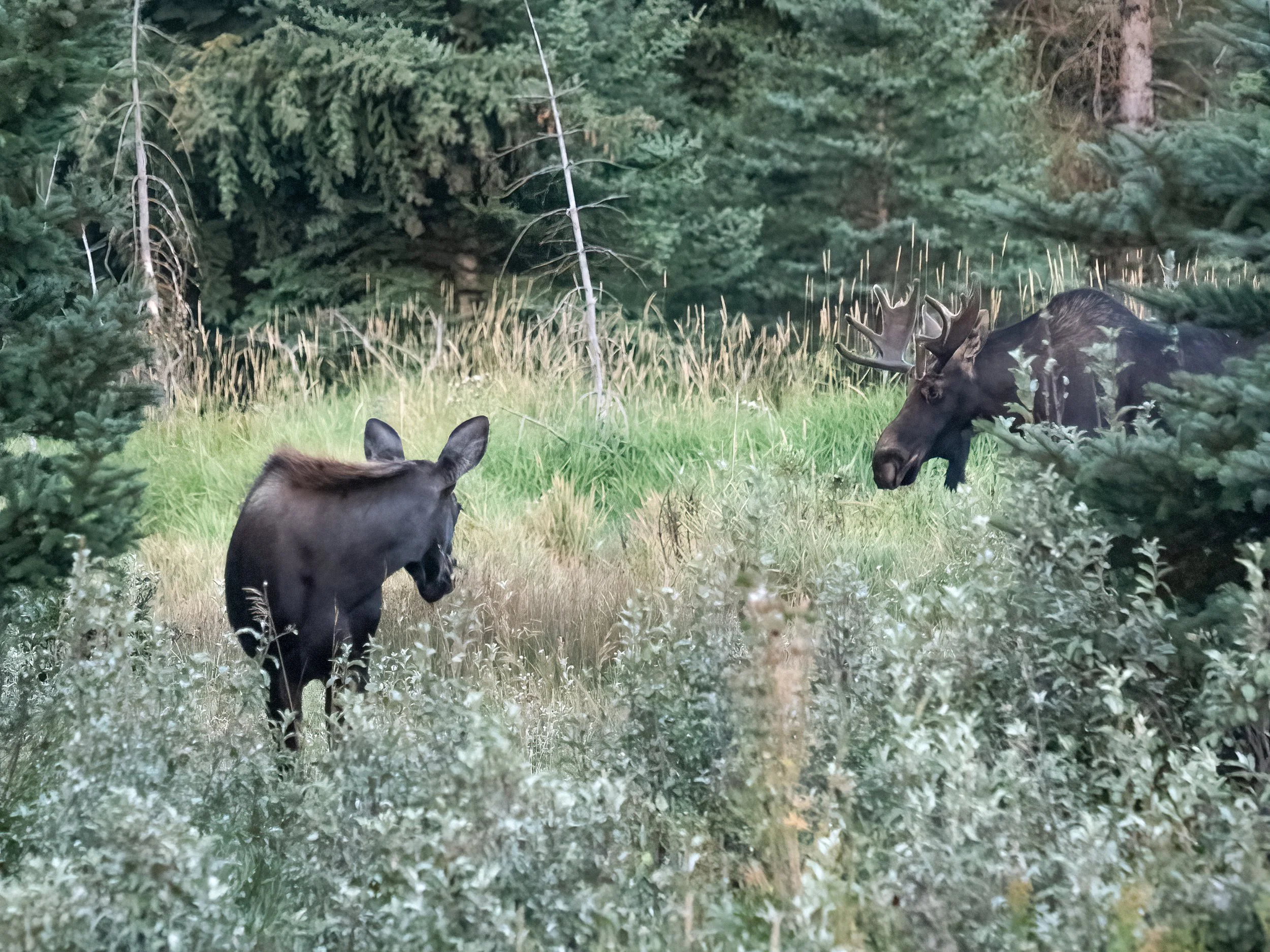
The summer masses have gone home, leaving behind crisp hiking weather, elk and moose in rut, and bears making their final appearances before winter. Lodging that was impossible to get in July is suddenly yours. This is when I’m traveling out to the Tetons every year, and I’m happy to share with you why it’s my favorite time of year in my favorite place on the planet.
Yellowstone — September & October

Yellowstone is perfect in fall for the same reason as the Tetons, and it’s easy to pair the two. In Yellowstone itself, you’ll enjoy Old Faithful without the shoulder-to-shoulder crowds, and the same Elk and Bison ruts filling the valleys with sound and bull action. There’s a real chance of waking up to fresh snow and frost, and with how quiet the wilderness will be, it almost feels like being let in on a secret.
Acadia & Coastal Maine — September & October
New England fall foliage peaks right as the summer tourists disappear. Oyster season is at its best. The Cranberry Island mail boat is still running, but way quieter, and you can actually get a table at a waterfront restaurant without a two-hour wait.
Banff & Kananaskis — September & October
Banff doesn’t really drop the crowds like the other places above, but Larch Madness makes it worth visiting in the Fall anyway. Larch season is one of the most stunning natural spectacles in North America. While Lake Louise is never exactly quiet, I love to plan my Canadian escapes with some time to explore the Kananaskis area, too, where you’ll be surrounded by silence like you’ve never experienced before.
So, how do you do it right?
Planning a national park trip well - the right lodging, the right timing, the right experiences - takes more than a Google search. I have spent the last decade creating itineraries and planning travel throughout National Parks. When you work with me, I handle every detail so you're not digging through Yelp dining reviews, searching Google Maps for viewpoints, or trusting AllTrails for your hike recommendations.
As a Virtuoso advisor, I have access to properties, perks, and partnerships that aren't available when you book on your own. You get a custom itinerary built around how you actually travel, not a generic template - and my local partners in the parks have become close friends, and they’ll treat you like royalty.
Fall 2026 availability is moving fast. If any of these destinations are calling to you, let’s talk about it! There's no obligation on the discovery call, just a fun conversation about your trip.
→ Schedule Your Concierge Discovery Call
Let's talk about where you want to go, what matters to you, and how to make it happen before the year is out.
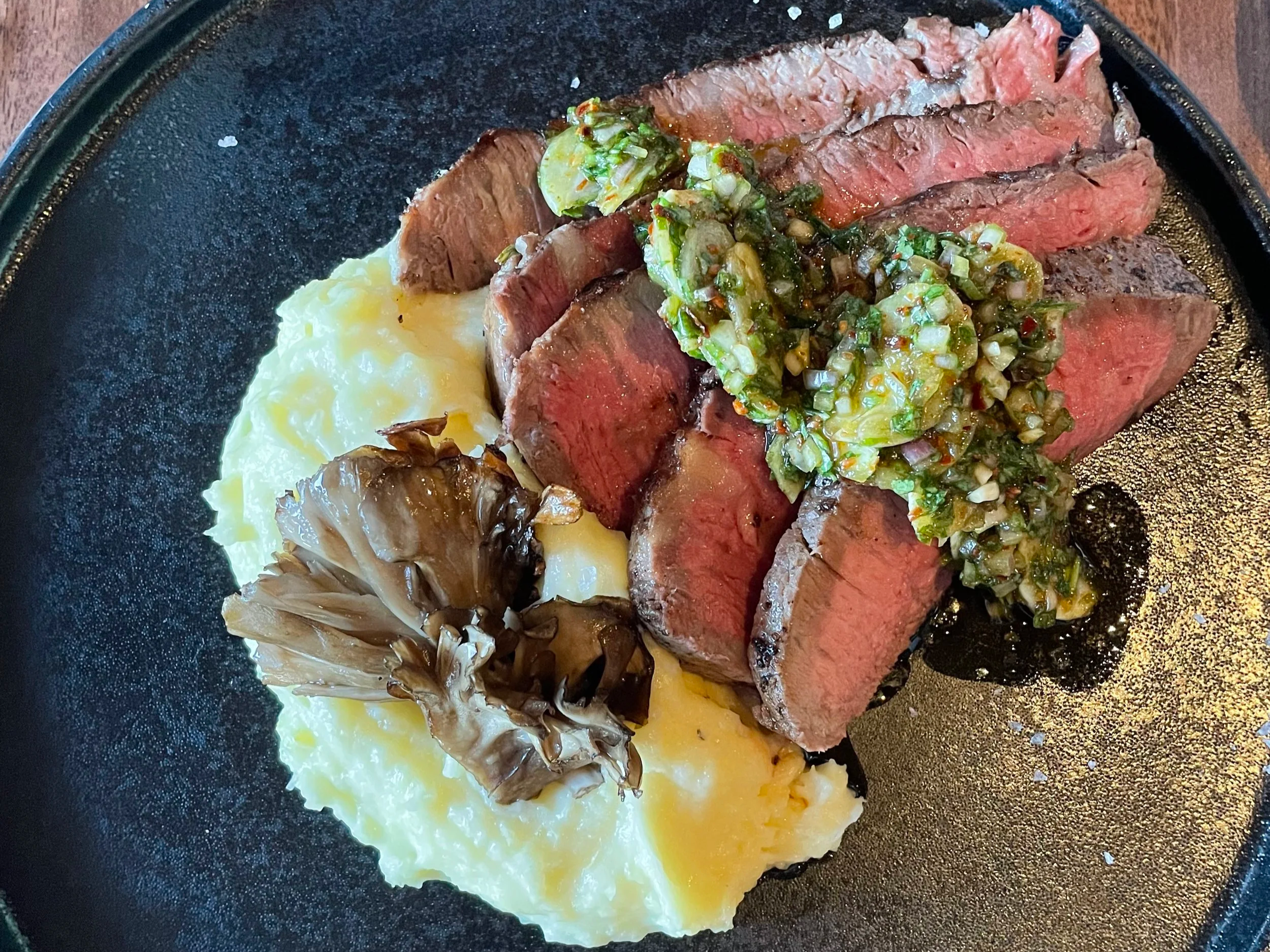
My Picks: The Best Jackson Hole Restaurants
Jackson, Wyoming has one of the best dining scenes in the country. Check out my top recommendations for breakfast, lunch, and dinner near Grand Teton National Park.
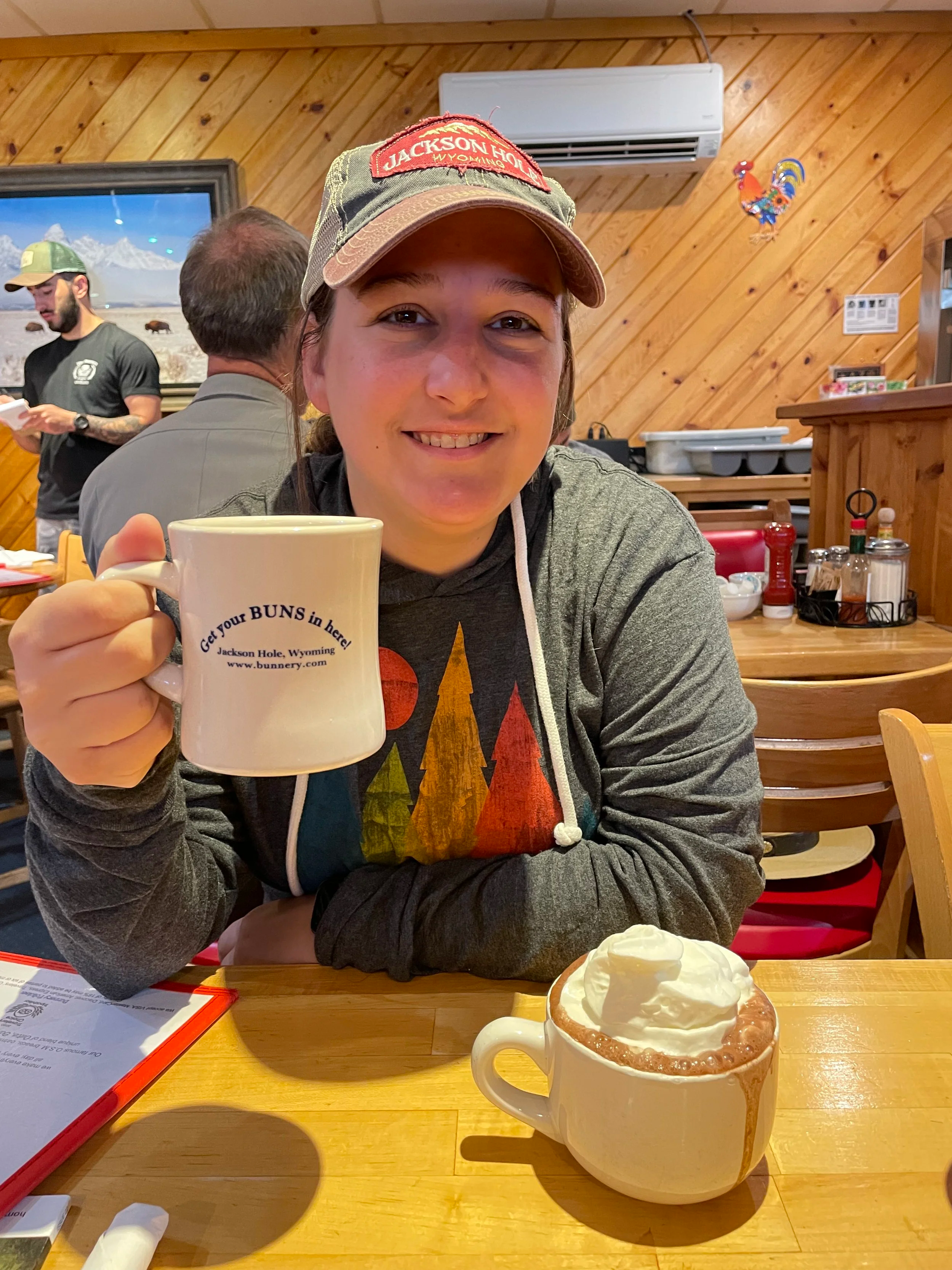
Cheers from The Bunnery, Jackson
Jackson’s dining scene is among the best in the country. Be aware it is carnivore heavy - after all, we’re in the wild west, and cattle ranching is a big part of Wyoming heritage and history. Take a look below at my picks for best breakfast, lunch, and dinner in Jackson Hole and plan your trip around your tastes.
Breakfast
Persephone Bakery: Elegant café and bakery known for pastries, coffee, and dishes that are as visually stunning as they are tasty. My favorite breakfast spot in Jackson.
Nora’s Fish Creek Inn: Iconic breakfast in Wilson, famous for banana-bread French toast and huevos rancheros. This is a bit out of the way, but a good stop if you’re looking to get out of downtown and dine with locals.
D.O.G.: Local favorite and ski-bum essential. DOG has a walk-up window serving up enormous breakfast burritos.
Cafe Genevieve: Brunch and comfort food with Southern flair in a historic log cabin - try their Pig Candy if you love bacon!
Pearl Street Bagels: This is a no-frills bagel shop. Coming from New Jersey, it’s hard for me to endorse bagels outside of my home state, but Pearl Street passes the test for a quick and simple breakfast option. There’s no toaster, despite a local effort years ago to staple one to the exterior.
The Bunnery: Casual diner-style with breakfast and baked goods made from scratch, plus hearty lunch options. Order one of the big cinnamon rolls or sticky buns if you get there early - they often sell out by late morning. While Perseophone might be my favorite, I find myself at the Bunnery more often because it’s a solid, quick choice with a good selection.
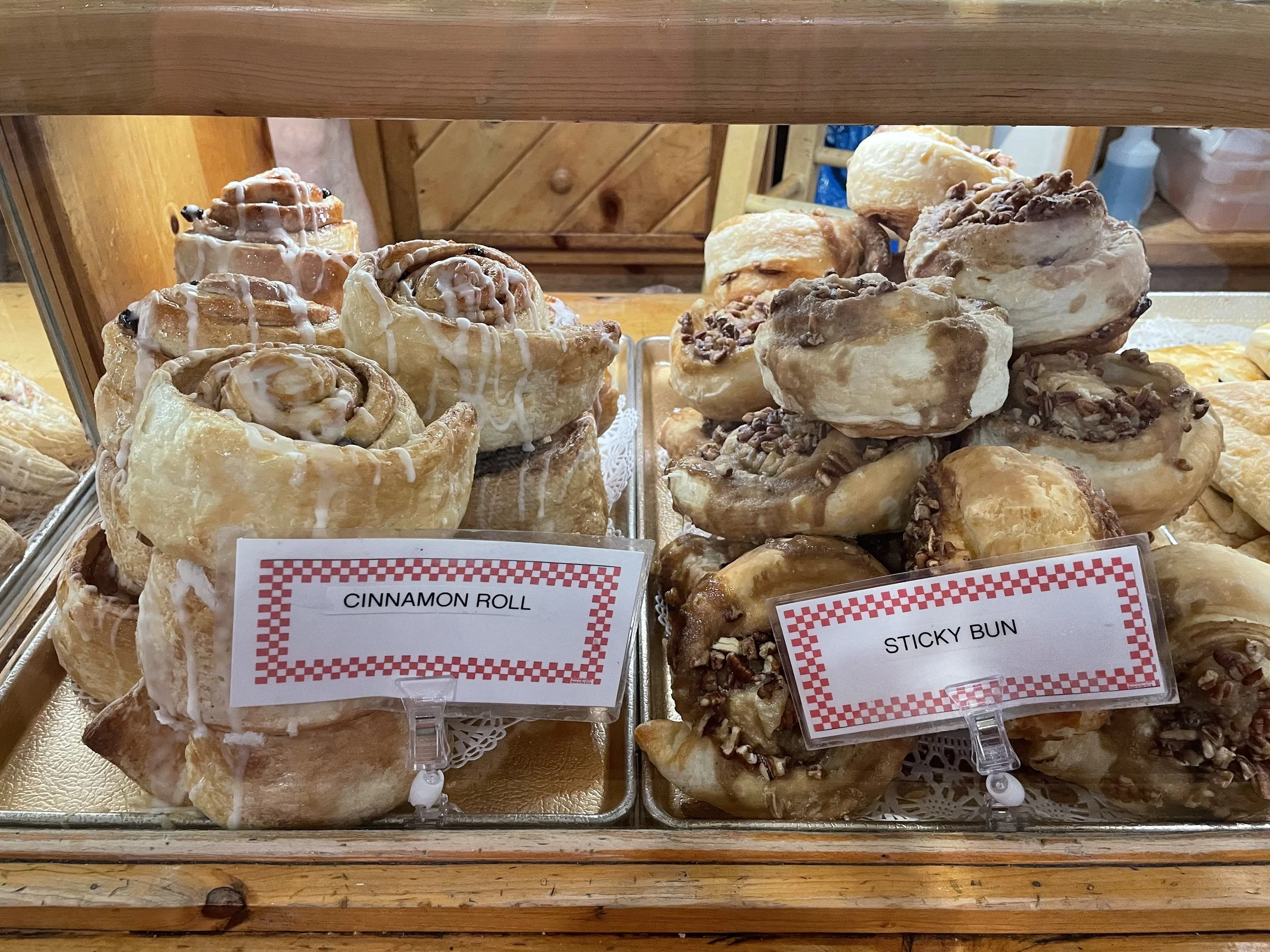
Cinnamon Rolls and Sticky Buns at the Bunnery, Jackson
Lunch & Dinner
Snake River Grill: Jackson’s culinary icon since 1993, serving refined mountain cuisine in a rustic-elegant lodge setting. Unique menu, not a full steakhouse vibe.
Orsetto: Stylish Italian American bistro with a great wine list and warm atmosphere. Modern and upscale, but not stuffy.
Glorietta Trattoria: Handmade pastas, wood-fired meats, and Italian wine in a lively, cozy space.
Jackson Drug: This longstanding spot on Jackson’s town square pretty much always has a line, but if you’re craving a classic soda fountain experience, you can’t beat it. They serve up regular and alcoholic shakes, plus burgers, handhelds, salads, and apps. Always a winner with kids and grandparents.
The Blue Lion: Historic house serving elevated New American fare like elk tenderloin and rack of lamb. Very well reviewed for a nice night out.
The Kitchen: Global flavors with Asian influence, plus a raw bar, in a neat and relaxed setting.
Coe Tavern: Seasonal tasting menus in a historic cabin; intimate and elegant - this may be a great spot for birthday dinner if you want to take a look at the menu.
Liberty Burger: Liberty Burger is a go-to for a quick burger and a great milkshake. Their onion rings are the best in town, and they offer a selection of salads and vegetarian options, too.
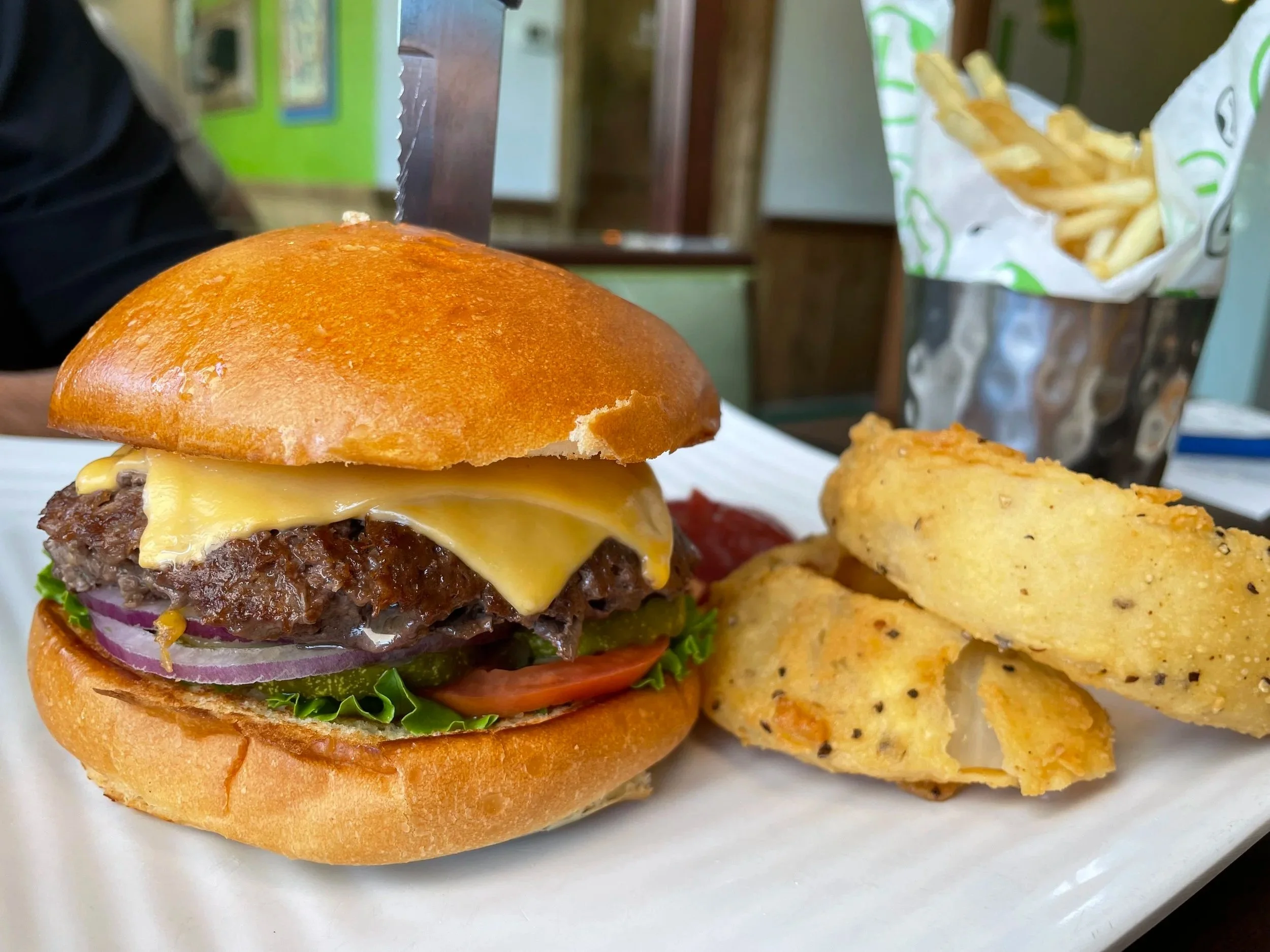
Liberty Burger, Jackson
King Sushi: Rustic and intimate, this incredible sushi spot is on a quieter side of town near Snow King Mountain. James Beard nominated for good reason!
Kampai: Upscale sushi spot with a great rooftop and views. Reservations highly recommended - this is a pricey spot with very good sushi, upscale vibe.
Restaurant at the White Buffalo Club:Boutique hotel steakhouse with a focus on USDA Prime cuts and fine wines.
Million Dollar Cowboy Steakhouse: Western-themed fine dining under the famous Cowboy Bar. Has a dive feel but the food is some of the best in Jackson.
Piste Mountain Bistro: Elevated dining - literally. Take the Bridger Gondola to the peak and dine on the patio with big views. Limited menu features seasonal mountain cuisine and the bar prides itself on cocktails and wine pairings. Awesome views, good food.
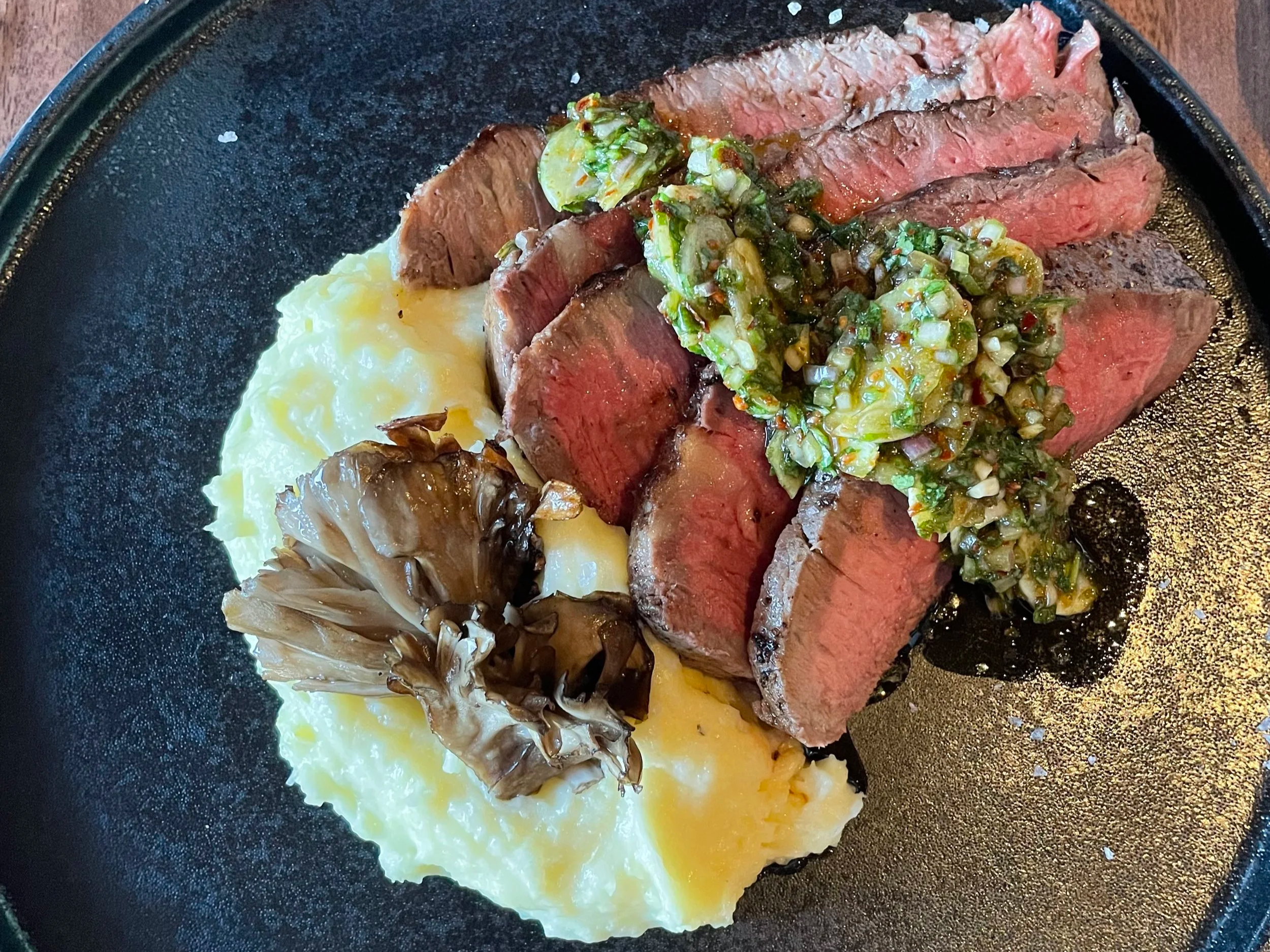
Dinner at Piste Mountain Bistro, Teton Village
Teton Thai: Bold Thai flavors and generous portions in Teton Village. This is another local favorite, if you’re looking to take a break from carnivore-heavy Jackson staples.
The Bird: Fun, off-the-beaten-path pub with burgers, beers, and a quirky sense of humor. Best burgers in Jackson, but it’s out of the way a bit. Local standby.
Hand Fire Pizza: Wood-fired pizzas in a restored historic theater right downtown. It’s hard for a New Jersey girl (me) to recommend pizza outside of the NYC/Philly area, but this place is solid!
Gun Barrel Steakhouse: Western hunting-lodge atmosphere serving steaks and wild game. This is a good spot if you want to try more exotic meats like elk and bison in different cuts. Taxidermy on the walls and historic artifacts (antique guns, mostly) on the walls.
Roadhouse Brewing Co.: Brewpub with craft beer flights and inventive pub fare. Generally easy to get a table here if you’re looking for a spot on the fly, and their dishes are a step above standard bar food. Best spot in town to watch sporting events.
The Local: Contemporary steakhouse focused on locally sourced meat and game. The focaccia is a great starter and they serve up big portions and great cuts.
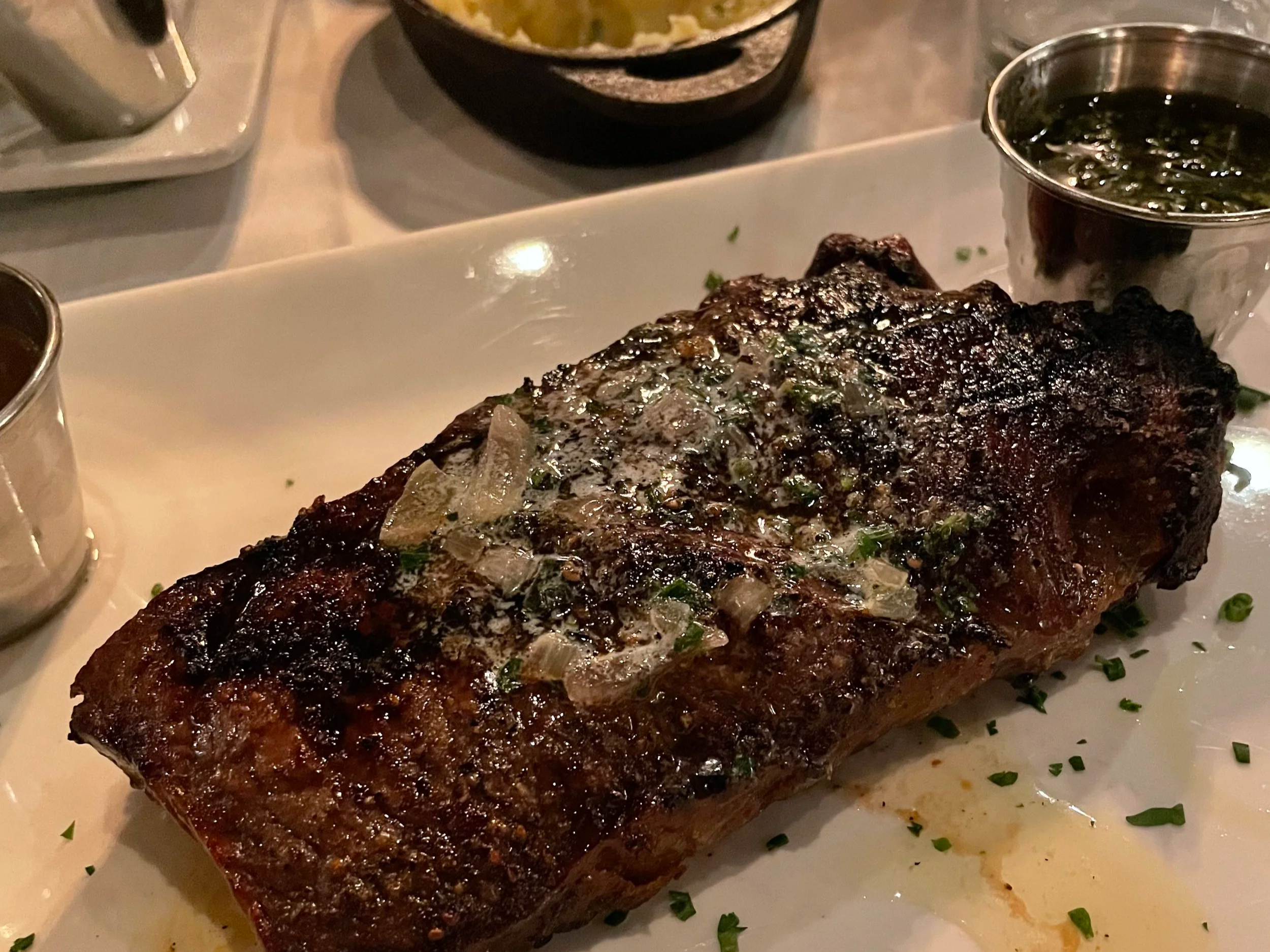
The Local, Jackson
Hatch Taqueria & Tequilas: Fresh, modern Mexican cuisine and a huge tequila selection. The portions are a little lighter here, but that just means you can try more items!
Big Hole BBQ: Hickory-smoked ribs, brisket, and pulled pork in a lively, laid-back space. So, so good if you’re looking for BBQ.
Sweet Cheeks Meats: if you’re planning on packing lunch for your days exploring, stop here first. This is a butcher and deli that’s heads above anywhere else I’ve ever been. They often have burgers and sandwiches too - but check Facebook or call ahead as their hours and selections can be limited.
Bodega: quick bites from a food truck next to a gas station in Teton Village. Seriously one of the best chicken sandwiches I’ve ever head - tacos are delicious too. Sloshies in the gas station (alcoholic slushies) are hit or miss - but fun to try.
Mangy Moose: great cocktails and fun vibe at the base of Jackson Hole Mountain Resort. Better sloshies here, very rarely crowded in the summer.
Dornan’s Pizza & Pasta Co.: Casual spot in the park near the Moran Junction - closest entrance to Jackson. Pizza, pasta, and salads with unbeatable Teton views from the rooftop bar (21+). Dornan’s Chuckwagon is also here, which is great for grabbing “grill food” like hot dogs, burgers, and grilled cheeses. Dornan’s also opens early with grab-and-go breakfast and some griddle favorite
Drinks & Nightlife
The Rose: Stylish cocktail lounge with a speakeasy feel, serving craft cocktails and small bites.
Silver Dollar Bar & Grill: Historic bar with live music and hearty Western fare.
The Virginian Saloon: Classic Wyoming watering hole with casual eats and cold beer.
Million Dollar Cowboy Bar: Iconic Western saloon with saddle barstools, live music, and dancing.
Bin22: Wine bar, tapas spot, and market all in one, perfect for an evening tasting.
Roadhouse Brewing Co.: Craft beer flights and a lively pub atmosphere
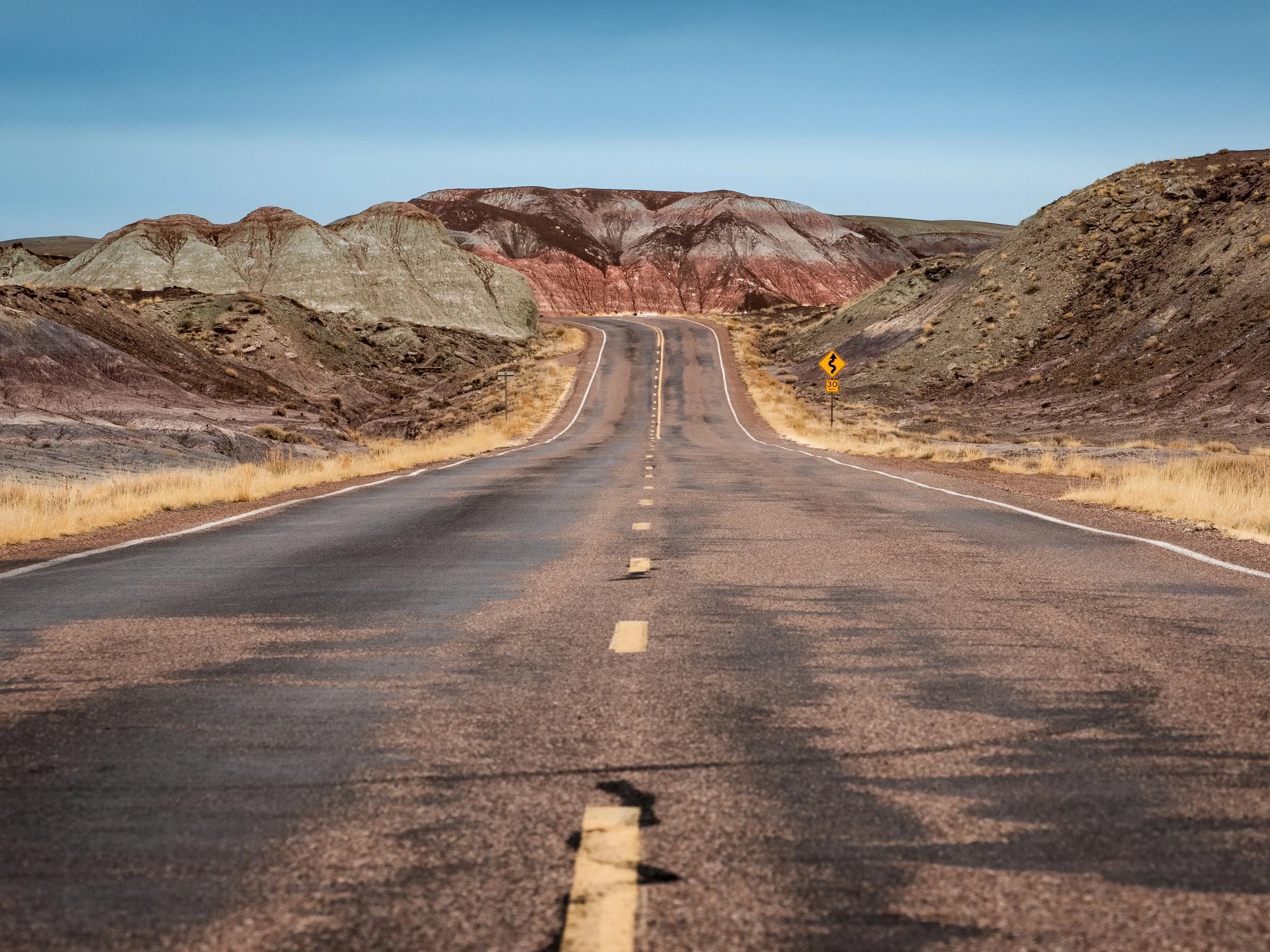
The Best Time to Visit National Parks, Region by Region
If you’ve ever wondered when to actually visit the national parks, the answer isn’t as simple as “summer.” Each region has its own rhythm, from Alaska’s tight summer window to the Southwest’s shoulder-season sweet spot and Canada’s wildly different seasonal experiences. This guide breaks it all down region by region so you can plan your trip around the experience you actually want.
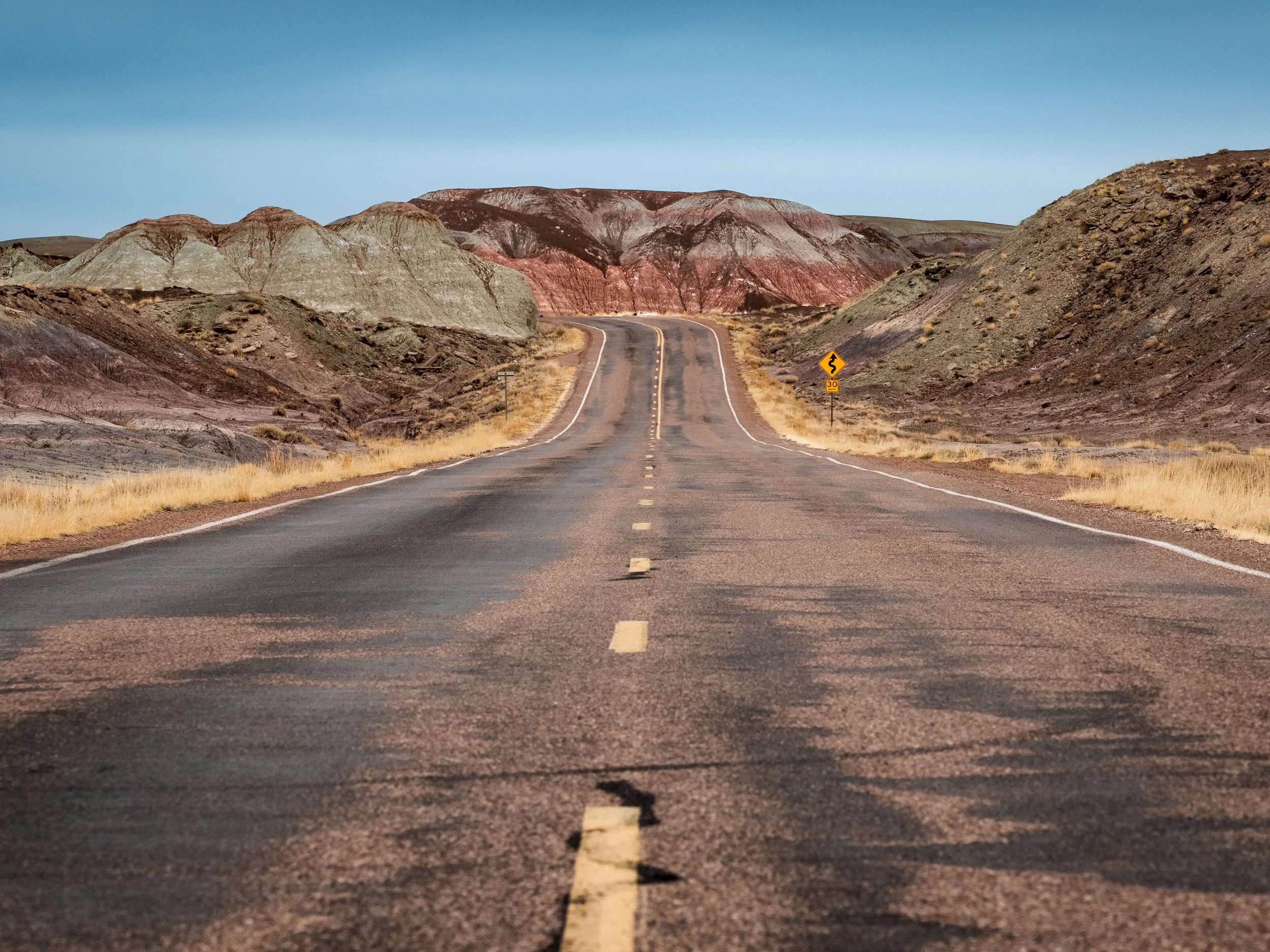
Petrified Forest National Park, December
If you’ve ever tried to plan a national parks trip and immediately spiraled into “wait… when am I actually supposed to go?”, you’re not alone. Nailing the timing of your trip is the difference between perfect weather, open roads, and dream conditions… and snow closures, extreme heat, or peak-season crowds and parking chaos.
Here’s the way I think about it (and how I guide my clients): there is no single “best time” to visit any of the national parks. Each traveler has different ideals, so choosing your window is a lot of playing matchmaker. Take me, for example - my favorite time to go to Banff is in winter, and I love the Tetons in the fall. If you’re the type of traveler who avoids twenty degree days at all costs, you’d have a very different trip report than me.
So, while there’s no “best” time flat out, there’s a “best” time for most people - and threading the needle between ideal, easy conditions and peak crowds is an art form. Let’s break it down by region.
The Rocky Mountains: short window, big payoff
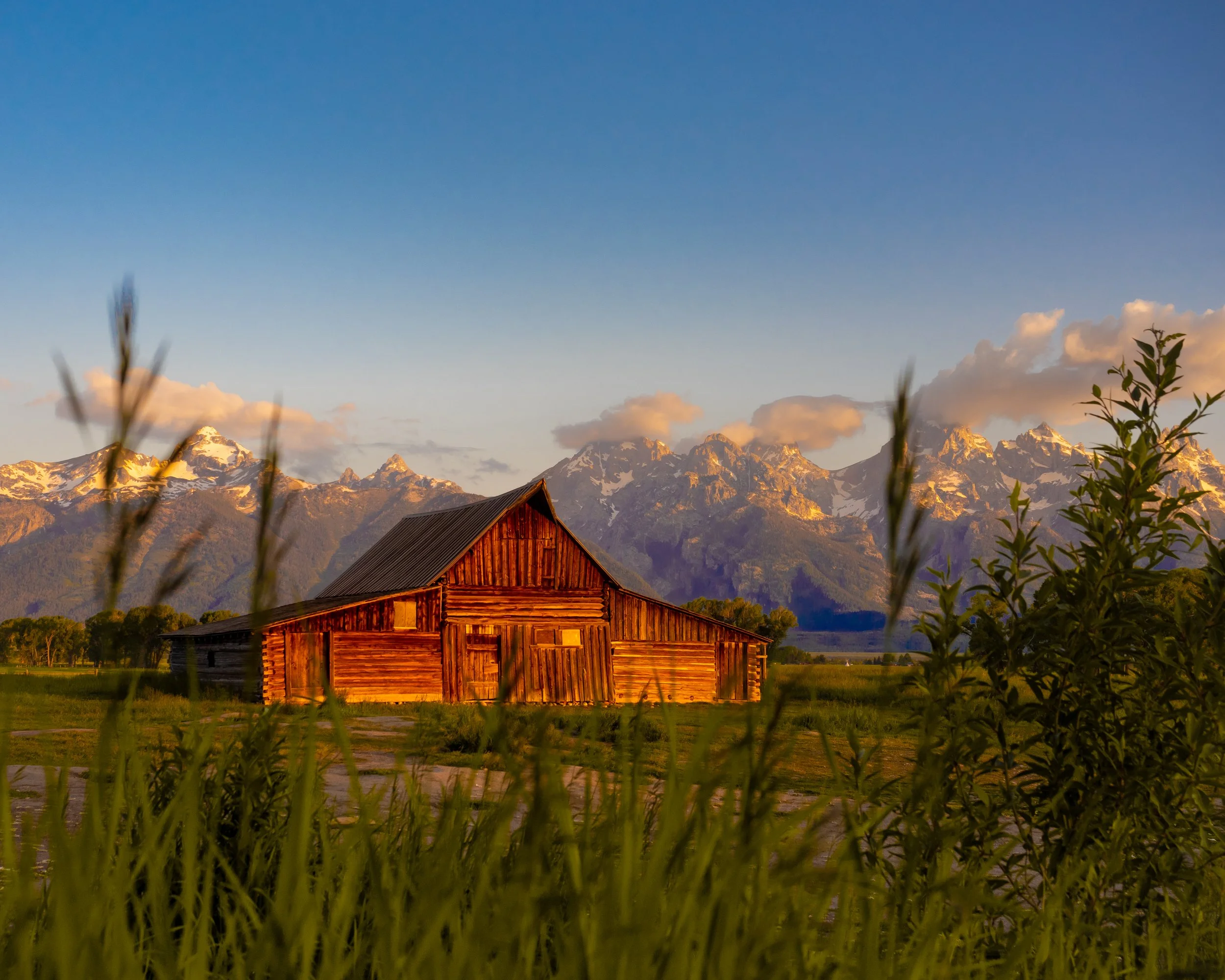
Grand Teton National Park, June
Parks like Glacier National Park, Yellowstone National Park, and Rocky Mountain National Park are classic summer destinations, and you can expect crowds during the warmest months. All that being said, early fall can be gorgeous and exciting during elk and bison ruts, and spring is baby animal season.
Most travelers are really looking at June through September, with July–September being the sweet spot for full access. Before that, you risk dealing with snowpack on trails and road closures. After that, weather turns quickly. June is nice, if you’re okay with chilly nights and frosty mornings. Late August reduces the school-aged crowds, but larger tour groups come into the parks, and it takes some planning to dodge crowds.
Alaska: blink and you’ll miss it
Alaska parks like Denali National Park and Kenai Fjords National Park operate on a tight June–September window with some weather flexibility. If you want to see the salmon snacking bears at Brook Falls or in Lake Clark National Park, June or September is the best time to go - the salmon runs are what brings the bears to dine.
On the surface, it seems like Alaska is one of those destinations where timing isn’t really flexible, it’s dictated by accessibility. Go too early or too late, and many of the “key” experiences don’t exist. However, again, there’s some nuance - if you want a chance to see the Northern Lights, April, May, or September is a great time to go. There are plenty of things to do even in the “off” season, so planning an Alaska trip is about pinning down your priorities, and building the trip around the best times for your bucket-list activities.
Pacific Northwest: a few unexpected things to note
Parks like Olympic National Park, Mount Rainier National Park, and North Cascades National Park aren’t the most flexible, but you won’t have a lot of crowds to deal with no matter when you go. You’re realistically looking at late June through early October, with July through early September being the sweet spot for wildflowers, clear mountain views, and full trail access.
Wildfire Season is getting earlier (and longer) each year, but it peaks in August and September. This is something to consider, and travel insurance can help protect your trip if you decide to pivot, if you’ve got the right coverage.
Outside of these windows, snow lingers, roads close, and visibility can be hit or miss, especially around Rainier and the North Cascades.
The Southwest: avoid summer at all costs
Saguaro National Park, January
If you’re eyeing parks like Zion National Park, Arches National Park, or Grand Canyon National Park, the rule is simple: don’t go in August! Of course, that’s when summer vacations make it easiest to go, but you’ll miss out on hot air ballooning, and you’ll want to spend a good chunk of the middle of the day inside.
March–May and September–October give you ideal temperatures and manageable crowds. Summer? Brutally hot. Winter is a great time to visit, too. The mornings are downright cold, but once the sun comes up, you’ll be toasty. Of course, the shorter days in the winter make it a little tricky to see everything, and you won’t have the same hiking access in many of the parks.
This is one of the biggest mistakes I see planning national park trips - people defaulting to summer travel when it’s actually the worst time to go here.
The East Coast: flexible and forgiving
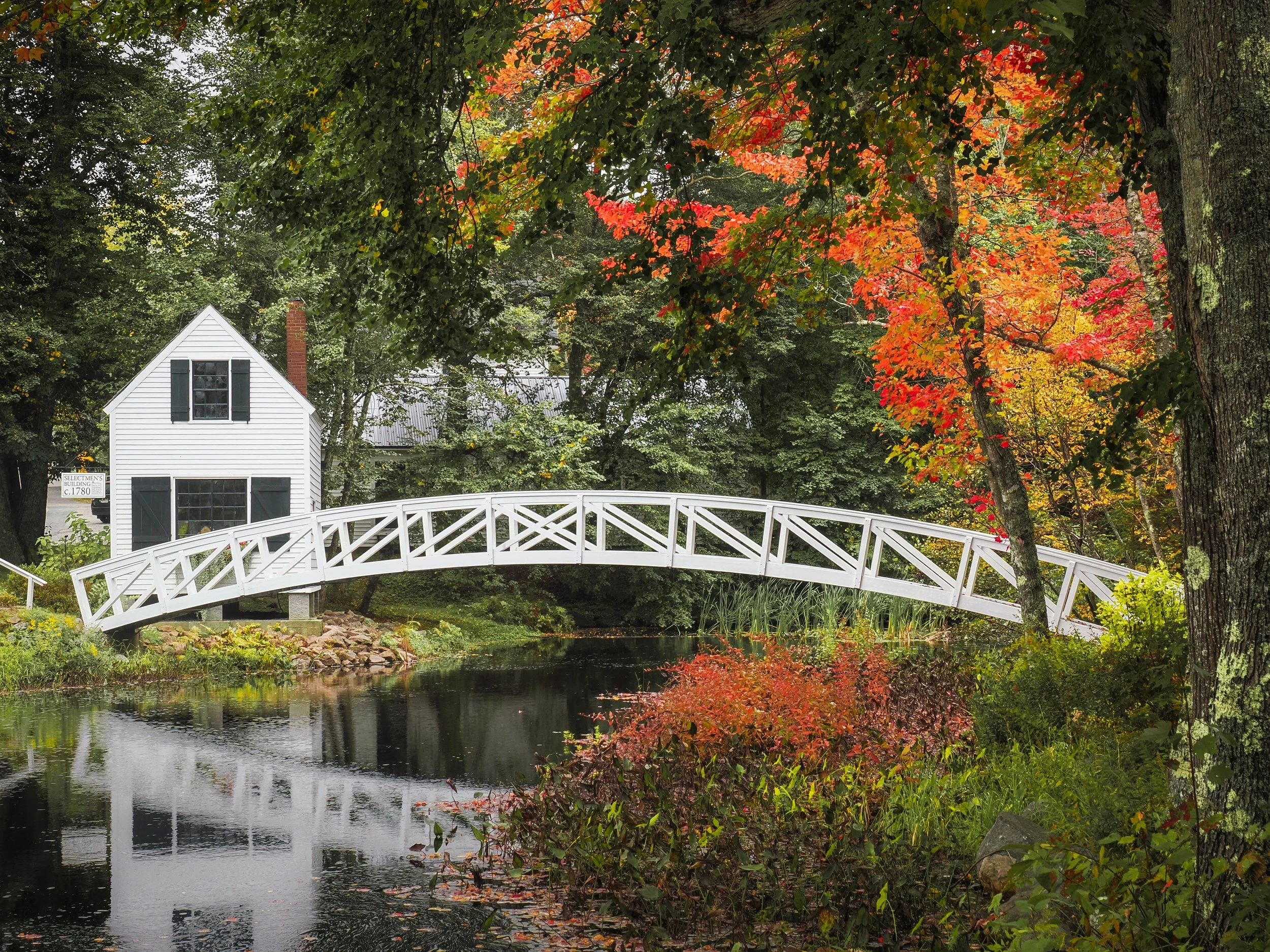
Acadia National Park, September
Parks like Acadia National Park, Shenandoah National Park, and Great Smoky Mountains National Park are much more forgiving. Spring and fall are the standouts for wildflowers or foliage, but summer is still very doable here, especially compared to the West. My favorite window for Appalachian trips is late April to early May, or any time in September into early October.
Fall foliage crowds mean that some planning is required, but it’s worth it for the stunning scenery that’s as lovable as any spot in the US. Winter gets a little tricky regarding access, but if you’re willing to work around partial closures, you’ll enjoy the quiet side of the parks that few people get to experience.
If you want a low-stress, high-reward park trip without overthinking logistics, this region is a great place to start.
The Southeast: reverse your instincts
This is another region where people get tripped up. Parks like Everglades National Park and Biscayne National Park are not summer destinations.
The best time to visit is actually late fall through early spring (roughly November–March). That’s when you avoid extreme heat, humidity, and peak mosquito season (IYKYK). Certain activities are best in certain months, like snorkeling in September when the water is warm and calm, so these trips require a bit of insider knowledge to tailor just right.
For Congaree National Park, March or April is a great time to go - it’ll be warm but not sweltering, and it pairs well with events in the area at the time, like the long-running Aiken Trials day of horse racing, and lots of spring festivals in Columbia or Charleston.
Midwest & Great Lakes: short and sweet
For places like Indiana Dunes National Park or Pictured Rocks National Lakeshore, summer into early fall (June–September) is your window. Cuyahoga is great most of the year, with spring wildflowers and waterfalls and beautiful fall foliage in the shoulder seasons.
The Great Lakes parks are best experienced on a road trip, due to their remote nature, and they’re very season-dependent. For Isle Royale specifically, summer (June–September) is the easiest time to visit, with full services, better weather, and smoother logistics, while early and late season trips are quieter but come with more limited transportation and facilities.
Isle Royale is a remote island in Lake Superior, only accessible by ferry, seaplane, or private boat from Michigan or Minnesota. Travel times range from about 45 minutes by seaplane to several hours by ferry, and schedules are weather-dependent. Once you’re there, it’s completely car-free, rugged, and off-grid, so flexibility for a good weather window is important here, too.
Planning a trip to Voyageurs National Park is a little different, depending on why you want to go. Summer (June through August) is the most popular time to visit, with long daylight hours, mild weather, and full access to boating, hiking, and guided programs. In winter, the park totally transforms, and you can go snowmobiling, ice fishing, and enjoy the dark skies and the best chances of seeing the Northern Lights.
California & the West Coast: it depends (a lot)

California Coast, November
California is home to nine National Parks, and the state is so big that it’s impossible to sort them into one “best” season.
Yosemite National Park (along with nearby Sequoia National Park and Kings Canyon National Park) is best from June through October, when high-elevation roads are open and you have full access to the park. Spring is incredible for waterfalls but comes with limited access and lingering snow, while winter brings quiet, snowy conditions with road closures and a completely different experience. Summer is peak season for a reason, but it also means crowds, heat in the valley, and the possibility of wildfire smoke later in the season. Fall can be a wonderful time to visit these parks, but there’s always a chance of early snow in the Sierras.
Death Valley National Park and Joshua Tree National Park are best from late fall through early spring (roughly November to April), when temperatures are actually comfortable enough to explore. Summer in Death Valley is extreme and often limits activity to quick scenic stops, while Joshua Tree sees its best conditions in spring and fall, with mild days and cooler nights.
Along the coast, Redwood National and State Parks is a year-round destination thanks to the elevation, coastal regulation, and mild temperatures. Summer brings cool, foggy conditions and winter sees heavier rain.
Parks like Lassen Volcanic National Park, Channel Islands National Park, and Pinnacles National Park each have their own micro-seasons, generally best in late spring through early fall for mountain parks and spring/fall for milder coastal or inland climates, which really just reinforces the point: in California, when you go matters just as much as where.
If checking off multiple parks here is your goal, this is one of those destinations where getting the timing right makes or breaks the trip.
Hawaii & the Islands: think winter, not summer
Parks like Haleakalā National Park and Hawaiʻi Volcanoes National Park are best visited in winter through early spring — roughly December through March. This is when temperatures are more comfortable, conditions are more stable, and you avoid the peak heat and heavier crowds of summer travel.
It’s also one of the few places where a winter national parks trip makes perfect sense especially if you’re pairing it with a broader Hawaii itinerary.
For more remote options like National Park of American Samoa, you’re looking at a completely different window (April through September), which just reinforces the point: even within “island parks,” timing isn’t one-size-fits-all.
Canadian National Parks
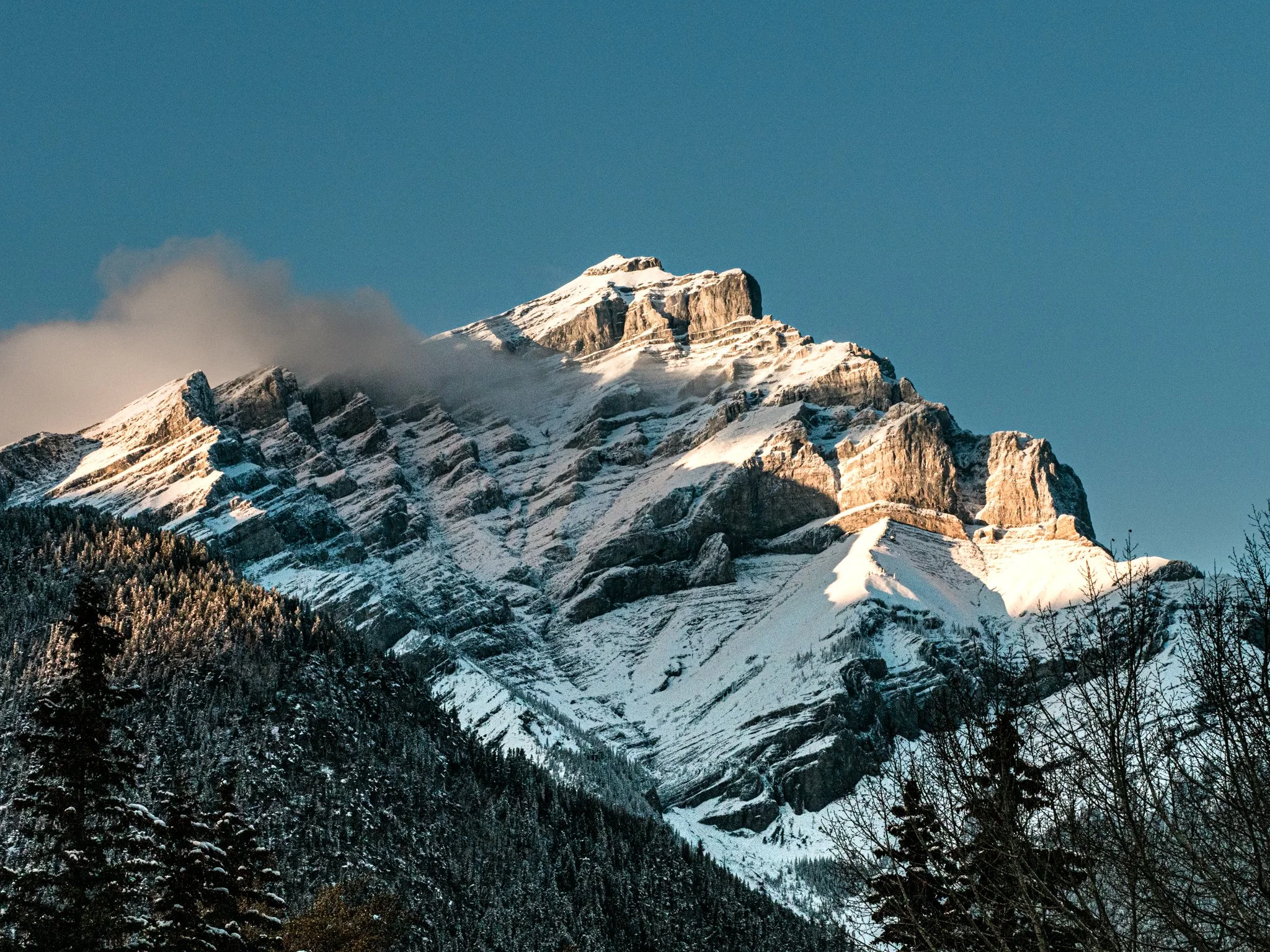
Banff National Park, October
Trying to pin down the best time to visit a whole country is an impossible task, of course. Pairing parks with nearby cities or seasonal travel themes is often the smartest way to plan, especially given how extreme (and beautiful) Canadian winters and shoulder seasons can be.
Quebec’s parks, including places like Parc national de la Jacques-Cartier and Parc national du Mont-Tremblant, pair beautifully with a Montreal or Québec City trip. Summer and early fall are ideal if you want that classic city-and-nature combination, with crisp hiking weather and early foliage. But winter is when this region really transforms. If you don’t mind the cold, it’s one of the most magical times in the country for skiing, cross-country skiing, snowshoeing, and one-of-a-kind experiences like ice canoeing, anchored by cozy time in these world-class winter cities.
The Canadian Rockies, including Banff National Park, Jasper National Park, and Yoho National Park, are a classic example of seasonal trade-offs. Summer brings peak crowds, busy trails, and higher prices, but also full access to alpine lakes and high-mountain hiking. Fall is one of my favorite times here, especially during “larch madness,” when the alpine larches turn golden and Lake Louise turns to an impossible blue. Canadian Thanksgiving weekend often overlaps with this window, making it a fun time to go for cultural experiences as well, though early snow can shift conditions quickly. In winter, the Rockies become a completely different trip: ideal for skiing and winter recreation in places like Banff and Lake Louise, with many scenic roads and high alpine experiences either limited or fully closed.
Coastal parks like Pacific Rim National Park Reserve on Vancouver Island are best in late spring through early fall, when storm-watching gives way to beach walks and rainforest hikes. In Atlantic Canada, Gros Morne National Park in Newfoundland shines in summer and early fall, especially when paired with road trips along the coast. Prince Edward Island National Park is all about warm-weather travel, particularly so you can enjoy some time tidal bore rafting in Nova Scotia as well.
Now, if you’re thinking the Torngats or Wapusk National Park, the windows are even tighter - and that’s a good conversation to have directly.
So… when should you go?

Yellowstone National Park, July
This is the part no one loves to hear, but it’s the truth: your ideal timing depends on the experience you want. There isn’t one perfect time to go, there’s just the right time for the kind of trip you want.
Do you want fewer people or full access? Peak wildlife or perfect hiking conditions? Crisp fall air or long summer days? It’s hard to get all of it at once, and there’s usually a tradeoff somewhere.
That’s why I always start with timing and build everything else around it. Get that piece right, and the entire trip works.
If you’re trying to figure out the right window for a national park trip, I’m happy to help you sort through it. You can schedule a planning call with me and we’ll map out the best timing based on the kind of experience you actually want — not just what’s popular. And if you’re still in the dreaming phase, join my newsletter for seasonal park guides, timing tips, and curated trip ideas to help you plan with more confidence (and less guesswork).


