The Best Time to Visit National Parks, Region by Region
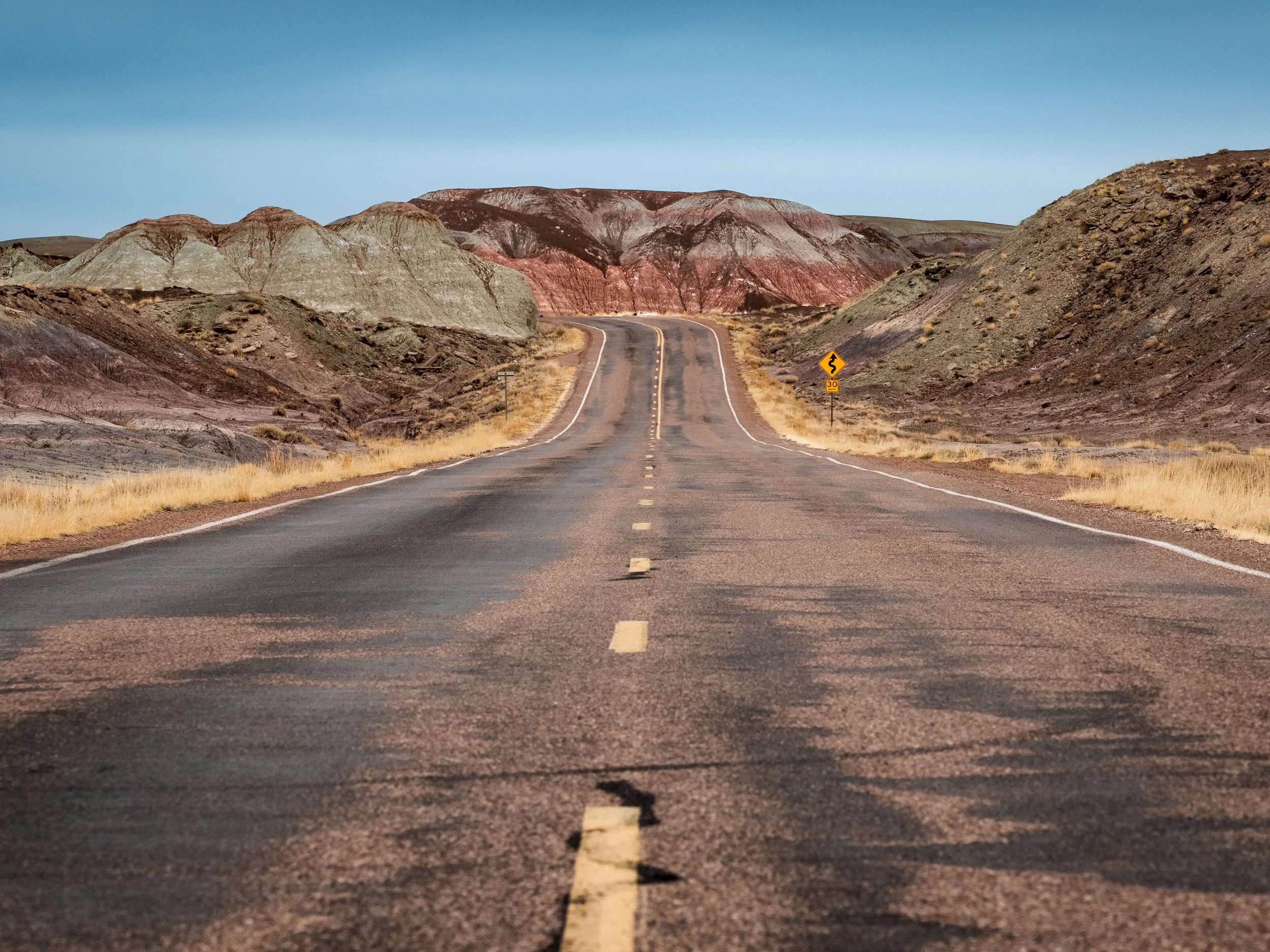
Petrified Forest National Park, December
If you’ve ever tried to plan a national parks trip and immediately spiraled into “wait… when am I actually supposed to go?”, you’re not alone. Nailing the timing of your trip is the difference between perfect weather, open roads, and dream conditions… and snow closures, extreme heat, or peak-season crowds and parking chaos.
Here’s the way I think about it (and how I guide my clients): there is no single “best time” to visit any of the national parks. Each traveler has different ideals, so choosing your window is a lot of playing matchmaker. Take me, for example - my favorite time to go to Banff is in winter, and I love the Tetons in the fall. If you’re the type of traveler who avoids twenty degree days at all costs, you’d have a very different trip report than me.
So, while there’s no “best” time flat out, there’s a “best” time for most people - and threading the needle between ideal, easy conditions and peak crowds is an art form. Let’s break it down by region.
The Rocky Mountains: short window, big payoff
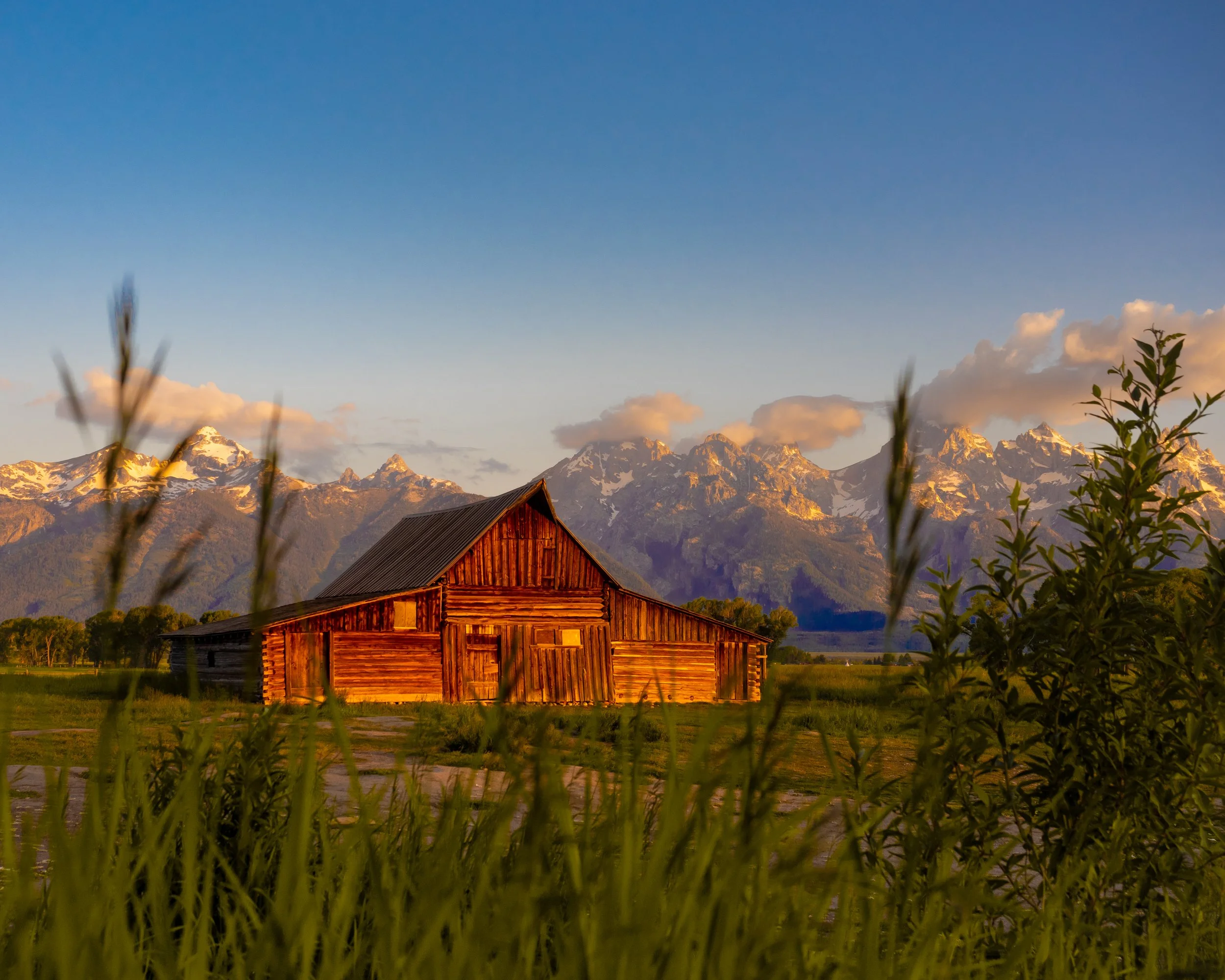
Grand Teton National Park, June
Parks like Glacier National Park, Yellowstone National Park, and Rocky Mountain National Park are classic summer destinations, and you can expect crowds during the warmest months. All that being said, early fall can be gorgeous and exciting during elk and bison ruts, and spring is baby animal season.
Most travelers are really looking at June through September, with July–September being the sweet spot for full access. Before that, you risk dealing with snowpack on trails and road closures. After that, weather turns quickly. June is nice, if you’re okay with chilly nights and frosty mornings. Late August reduces the school-aged crowds, but larger tour groups come into the parks, and it takes some planning to dodge crowds.
Alaska: blink and you’ll miss it
Alaska parks like Denali National Park and Kenai Fjords National Park operate on a tight June–September window with some weather flexibility. If you want to see the salmon snacking bears at Brook Falls or in Lake Clark National Park, June or September is the best time to go - the salmon runs are what brings the bears to dine.
On the surface, it seems like Alaska is one of those destinations where timing isn’t really flexible, it’s dictated by accessibility. Go too early or too late, and many of the “key” experiences don’t exist. However, again, there’s some nuance - if you want a chance to see the Northern Lights, April, May, or September is a great time to go. There are plenty of things to do even in the “off” season, so planning an Alaska trip is about pinning down your priorities, and building the trip around the best times for your bucket-list activities.
Pacific Northwest: a few unexpected things to note
Parks like Olympic National Park, Mount Rainier National Park, and North Cascades National Park aren’t the most flexible, but you won’t have a lot of crowds to deal with no matter when you go. You’re realistically looking at late June through early October, with July through early September being the sweet spot for wildflowers, clear mountain views, and full trail access.
Wildfire Season is getting earlier (and longer) each year, but it peaks in August and September. This is something to consider, and travel insurance can help protect your trip if you decide to pivot, if you’ve got the right coverage.
Outside of these windows, snow lingers, roads close, and visibility can be hit or miss, especially around Rainier and the North Cascades.
The Southwest: avoid summer at all costs

Saguaro National Park, January
If you’re eyeing parks like Zion National Park, Arches National Park, or Grand Canyon National Park, the rule is simple: don’t go in August! Of course, that’s when summer vacations make it easiest to go, but you’ll miss out on hot air ballooning, and you’ll want to spend a good chunk of the middle of the day inside.
March–May and September–October give you ideal temperatures and manageable crowds. Summer? Brutally hot. Winter is a great time to visit, too. The mornings are downright cold, but once the sun comes up, you’ll be toasty. Of course, the shorter days in the winter make it a little tricky to see everything, and you won’t have the same hiking access in many of the parks.
This is one of the biggest mistakes I see planning national park trips - people defaulting to summer travel when it’s actually the worst time to go here.
The East Coast: flexible and forgiving
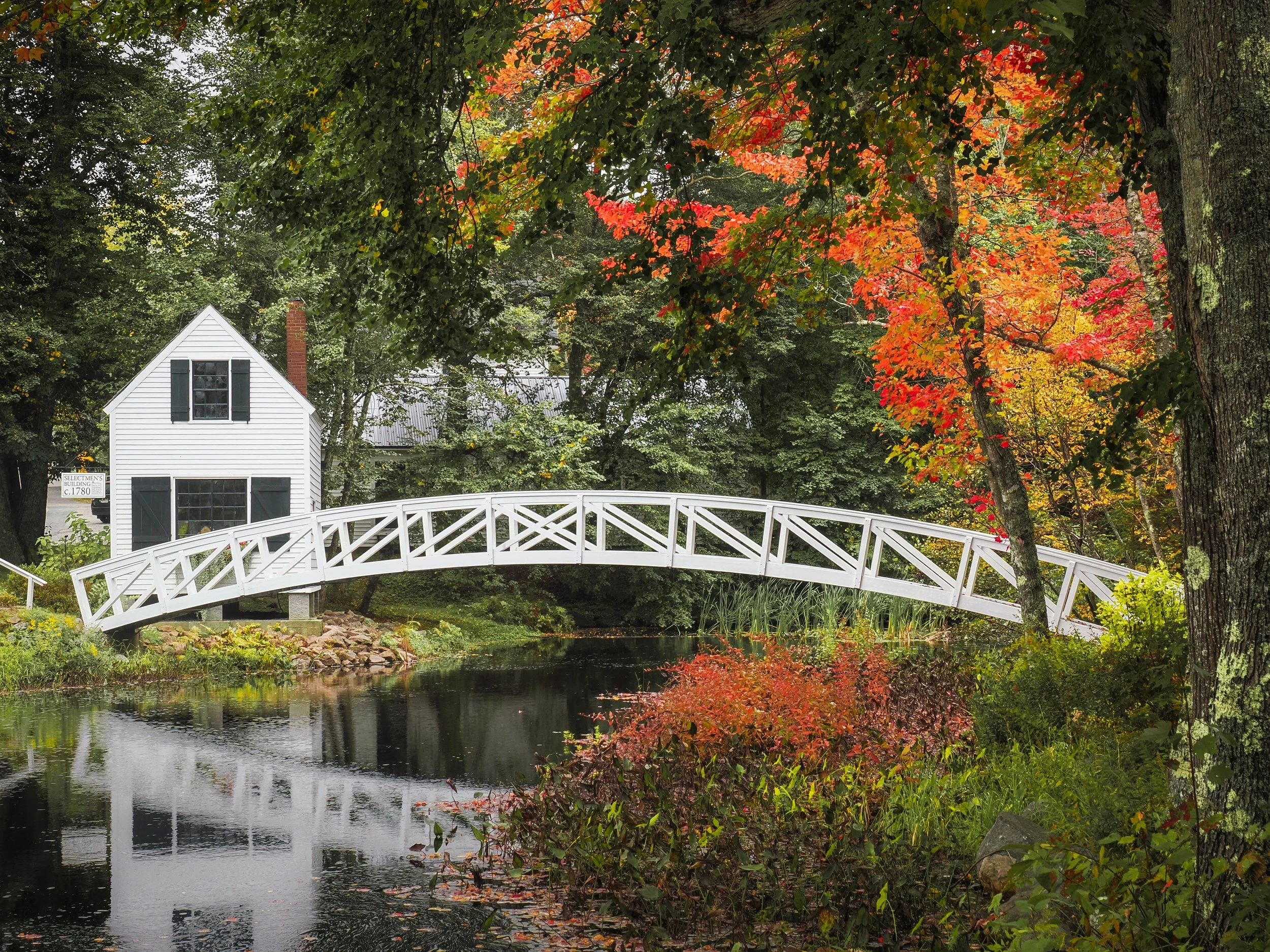
Acadia National Park, September
Parks like Acadia National Park, Shenandoah National Park, and Great Smoky Mountains National Park are much more forgiving. Spring and fall are the standouts for wildflowers or foliage, but summer is still very doable here, especially compared to the West. My favorite window for Appalachian trips is late April to early May, or any time in September into early October.
Fall foliage crowds mean that some planning is required, but it’s worth it for the stunning scenery that’s as lovable as any spot in the US. Winter gets a little tricky regarding access, but if you’re willing to work around partial closures, you’ll enjoy the quiet side of the parks that few people get to experience.
If you want a low-stress, high-reward park trip without overthinking logistics, this region is a great place to start.
The Southeast: reverse your instincts
This is another region where people get tripped up. Parks like Everglades National Park and Biscayne National Park are not summer destinations.
The best time to visit is actually late fall through early spring (roughly November–March). That’s when you avoid extreme heat, humidity, and peak mosquito season (IYKYK). Certain activities are best in certain months, like snorkeling in September when the water is warm and calm, so these trips require a bit of insider knowledge to tailor just right.
For Congaree National Park, March or April is a great time to go - it’ll be warm but not sweltering, and it pairs well with events in the area at the time, like the long-running Aiken Trials day of horse racing, and lots of spring festivals in Columbia or Charleston.
Midwest & Great Lakes: short and sweet
For places like Indiana Dunes National Park or Pictured Rocks National Lakeshore, summer into early fall (June–September) is your window. Cuyahoga is great most of the year, with spring wildflowers and waterfalls and beautiful fall foliage in the shoulder seasons.
The Great Lakes parks are best experienced on a road trip, due to their remote nature, and they’re very season-dependent. For Isle Royale specifically, summer (June–September) is the easiest time to visit, with full services, better weather, and smoother logistics, while early and late season trips are quieter but come with more limited transportation and facilities.
Isle Royale is a remote island in Lake Superior, only accessible by ferry, seaplane, or private boat from Michigan or Minnesota. Travel times range from about 45 minutes by seaplane to several hours by ferry, and schedules are weather-dependent. Once you’re there, it’s completely car-free, rugged, and off-grid, so flexibility for a good weather window is important here, too.
Planning a trip to Voyageurs National Park is a little different, depending on why you want to go. Summer (June through August) is the most popular time to visit, with long daylight hours, mild weather, and full access to boating, hiking, and guided programs. In winter, the park totally transforms, and you can go snowmobiling, ice fishing, and enjoy the dark skies and the best chances of seeing the Northern Lights.
California & the West Coast: it depends (a lot)

California Coast, November
California is home to nine National Parks, and the state is so big that it’s impossible to sort them into one “best” season.
Yosemite National Park (along with nearby Sequoia National Park and Kings Canyon National Park) is best from June through October, when high-elevation roads are open and you have full access to the park. Spring is incredible for waterfalls but comes with limited access and lingering snow, while winter brings quiet, snowy conditions with road closures and a completely different experience. Summer is peak season for a reason, but it also means crowds, heat in the valley, and the possibility of wildfire smoke later in the season. Fall can be a wonderful time to visit these parks, but there’s always a chance of early snow in the Sierras.
Death Valley National Park and Joshua Tree National Park are best from late fall through early spring (roughly November to April), when temperatures are actually comfortable enough to explore. Summer in Death Valley is extreme and often limits activity to quick scenic stops, while Joshua Tree sees its best conditions in spring and fall, with mild days and cooler nights.
Along the coast, Redwood National and State Parks is a year-round destination thanks to the elevation, coastal regulation, and mild temperatures. Summer brings cool, foggy conditions and winter sees heavier rain.
Parks like Lassen Volcanic National Park, Channel Islands National Park, and Pinnacles National Park each have their own micro-seasons, generally best in late spring through early fall for mountain parks and spring/fall for milder coastal or inland climates, which really just reinforces the point: in California, when you go matters just as much as where.
If checking off multiple parks here is your goal, this is one of those destinations where getting the timing right makes or breaks the trip.
Hawaii & the Islands: think winter, not summer
Parks like Haleakalā National Park and Hawaiʻi Volcanoes National Park are best visited in winter through early spring — roughly December through March. This is when temperatures are more comfortable, conditions are more stable, and you avoid the peak heat and heavier crowds of summer travel.
It’s also one of the few places where a winter national parks trip makes perfect sense especially if you’re pairing it with a broader Hawaii itinerary.
For more remote options like National Park of American Samoa, you’re looking at a completely different window (April through September), which just reinforces the point: even within “island parks,” timing isn’t one-size-fits-all.
Canadian National Parks
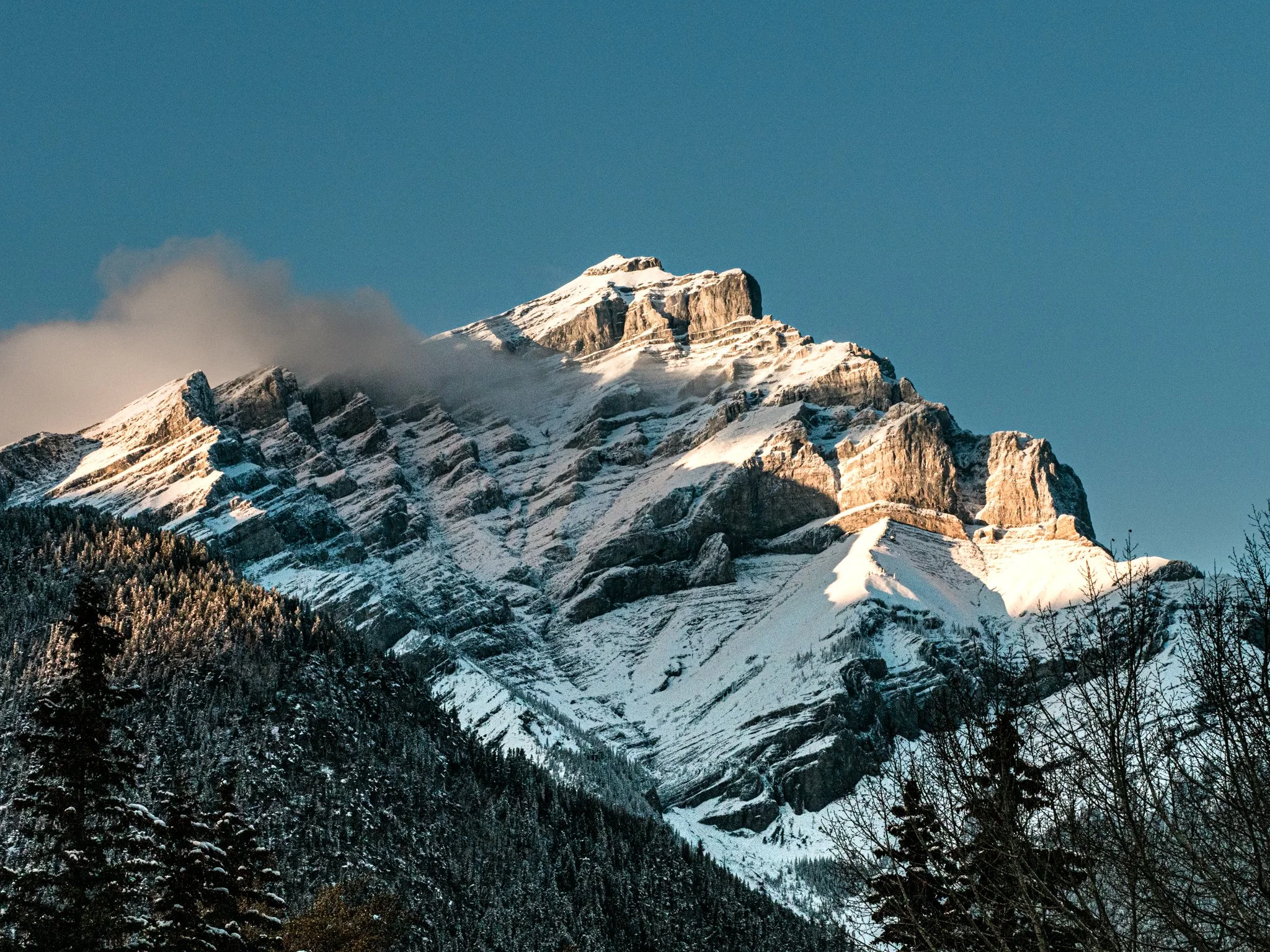
Banff National Park, October
Trying to pin down the best time to visit a whole country is an impossible task, of course. Pairing parks with nearby cities or seasonal travel themes is often the smartest way to plan, especially given how extreme (and beautiful) Canadian winters and shoulder seasons can be.
Quebec’s parks, including places like Parc national de la Jacques-Cartier and Parc national du Mont-Tremblant, pair beautifully with a Montreal or Québec City trip. Summer and early fall are ideal if you want that classic city-and-nature combination, with crisp hiking weather and early foliage. But winter is when this region really transforms. If you don’t mind the cold, it’s one of the most magical times in the country for skiing, cross-country skiing, snowshoeing, and one-of-a-kind experiences like ice canoeing, anchored by cozy time in these world-class winter cities.
The Canadian Rockies, including Banff National Park, Jasper National Park, and Yoho National Park, are a classic example of seasonal trade-offs. Summer brings peak crowds, busy trails, and higher prices, but also full access to alpine lakes and high-mountain hiking. Fall is one of my favorite times here, especially during “larch madness,” when the alpine larches turn golden and Lake Louise turns to an impossible blue. Canadian Thanksgiving weekend often overlaps with this window, making it a fun time to go for cultural experiences as well, though early snow can shift conditions quickly. In winter, the Rockies become a completely different trip: ideal for skiing and winter recreation in places like Banff and Lake Louise, with many scenic roads and high alpine experiences either limited or fully closed.
Coastal parks like Pacific Rim National Park Reserve on Vancouver Island are best in late spring through early fall, when storm-watching gives way to beach walks and rainforest hikes. In Atlantic Canada, Gros Morne National Park in Newfoundland shines in summer and early fall, especially when paired with road trips along the coast. Prince Edward Island National Park is all about warm-weather travel, particularly so you can enjoy some time tidal bore rafting in Nova Scotia as well.
Now, if you’re thinking the Torngats or Wapusk National Park, the windows are even tighter - and that’s a good conversation to have directly.
So… when should you go?

Yellowstone National Park, July
This is the part no one loves to hear, but it’s the truth: your ideal timing depends on the experience you want. There isn’t one perfect time to go, there’s just the right time for the kind of trip you want.
Do you want fewer people or full access? Peak wildlife or perfect hiking conditions? Crisp fall air or long summer days? It’s hard to get all of it at once, and there’s usually a tradeoff somewhere.
That’s why I always start with timing and build everything else around it. Get that piece right, and the entire trip works.
If you’re trying to figure out the right window for a national park trip, I’m happy to help you sort through it. You can schedule a planning call with me and we’ll map out the best timing based on the kind of experience you actually want — not just what’s popular. And if you’re still in the dreaming phase, join my newsletter for seasonal park guides, timing tips, and curated trip ideas to help you plan with more confidence (and less guesswork).
